My Store 2
Basic Nose & Ear Plaster Study Cast Set – Drawing, Anatomy & Form Reference
Basic Nose & Ear Plaster Study Cast Set – Drawing, Anatomy & Form Reference
Couldn't load pickup availability
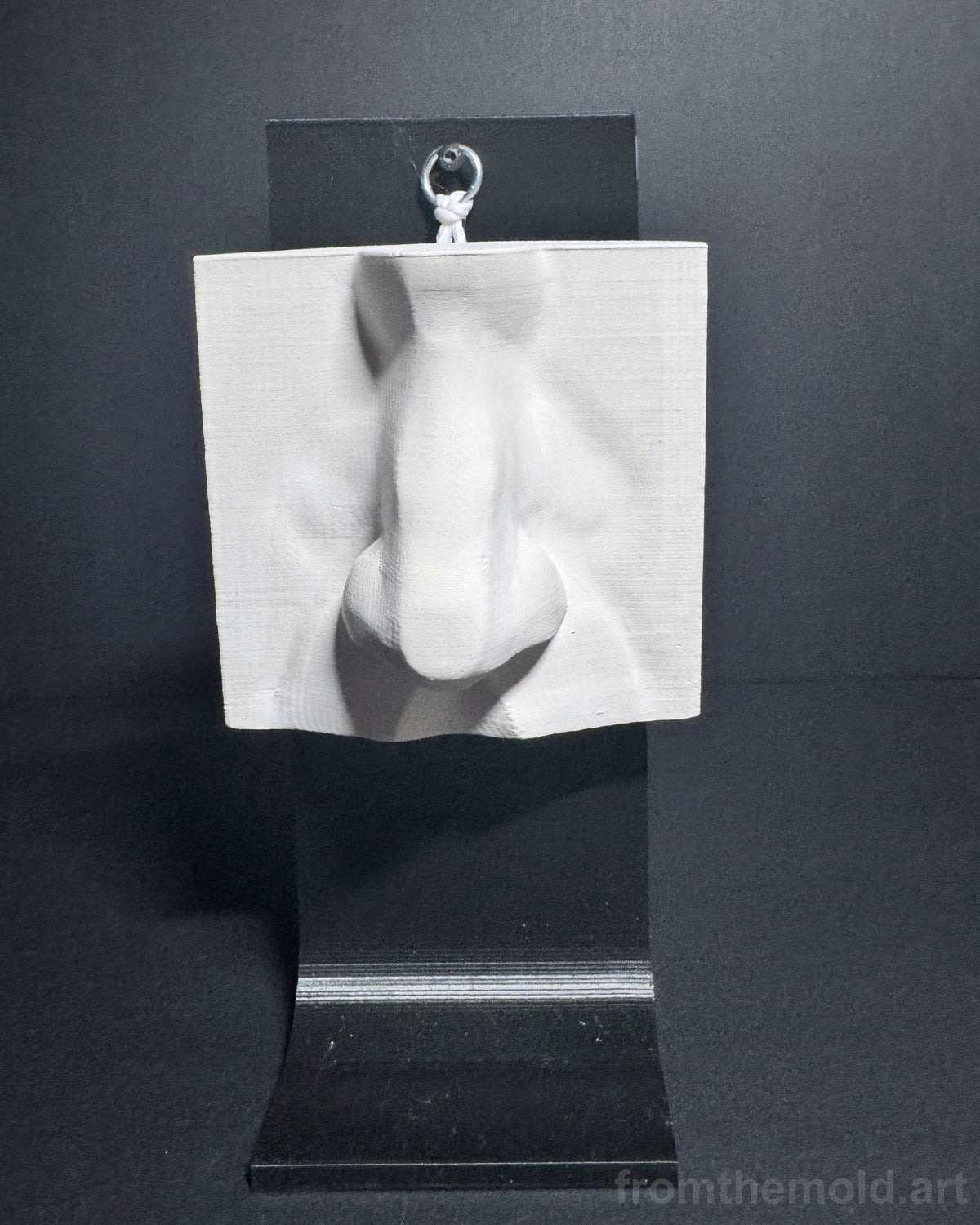
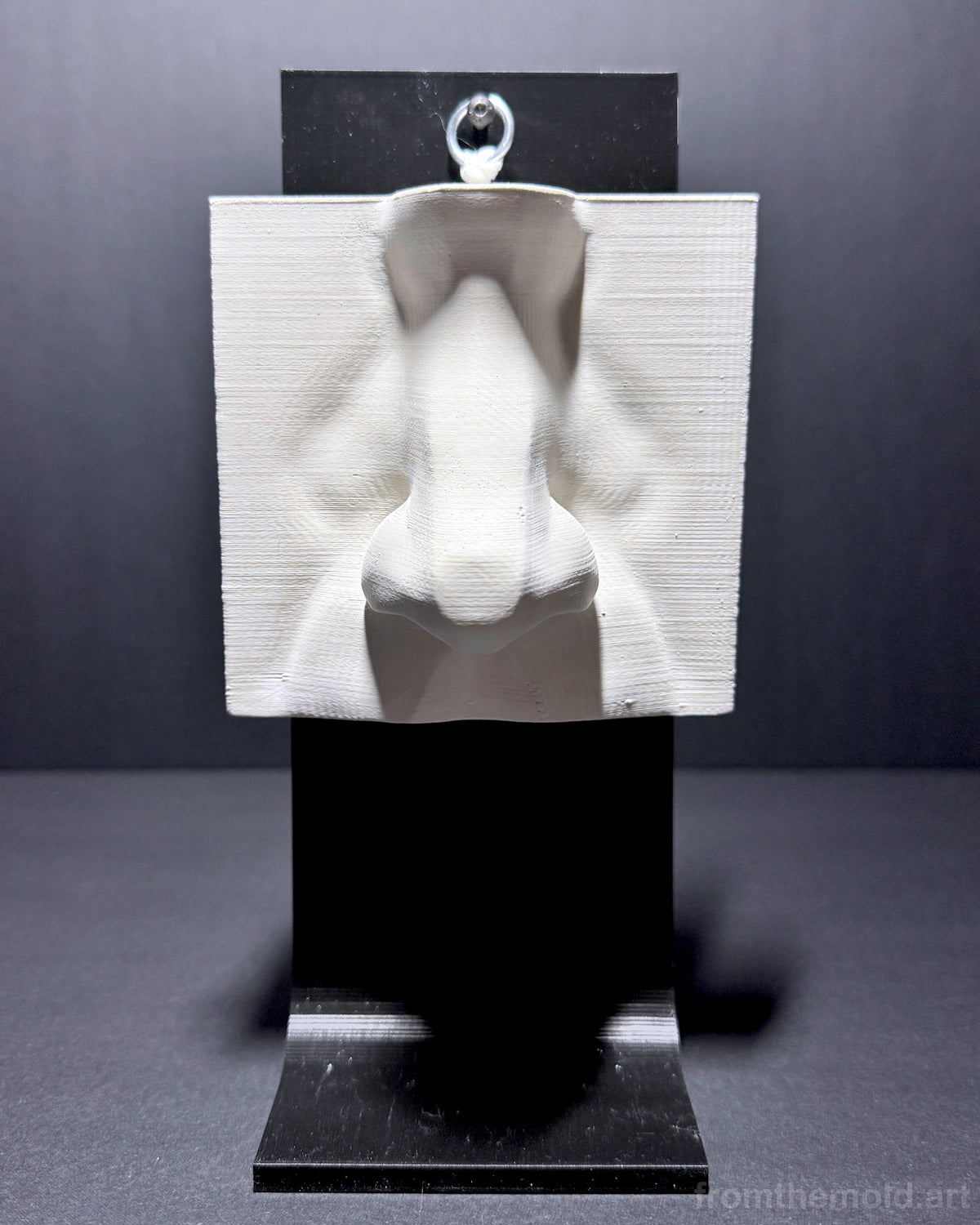
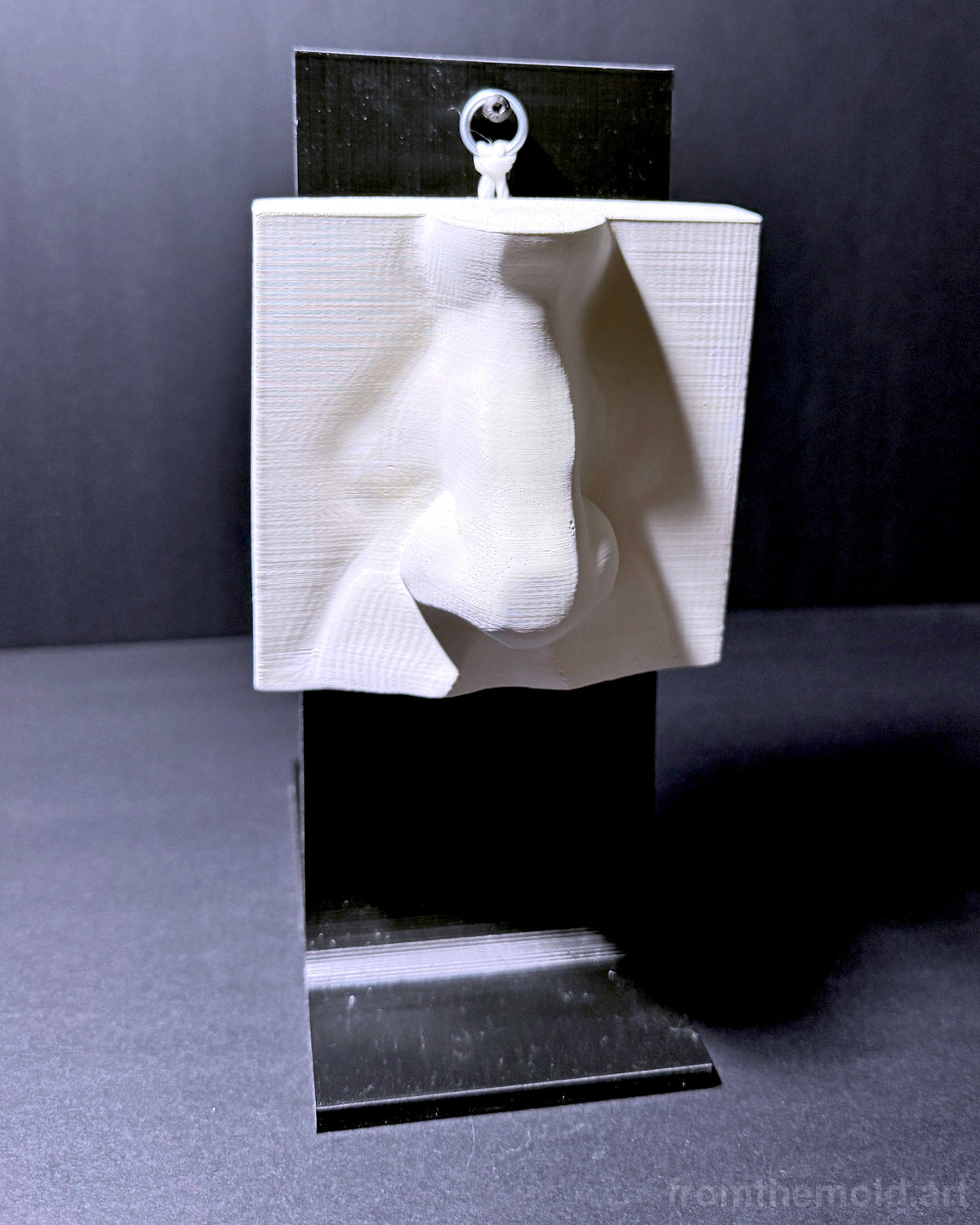
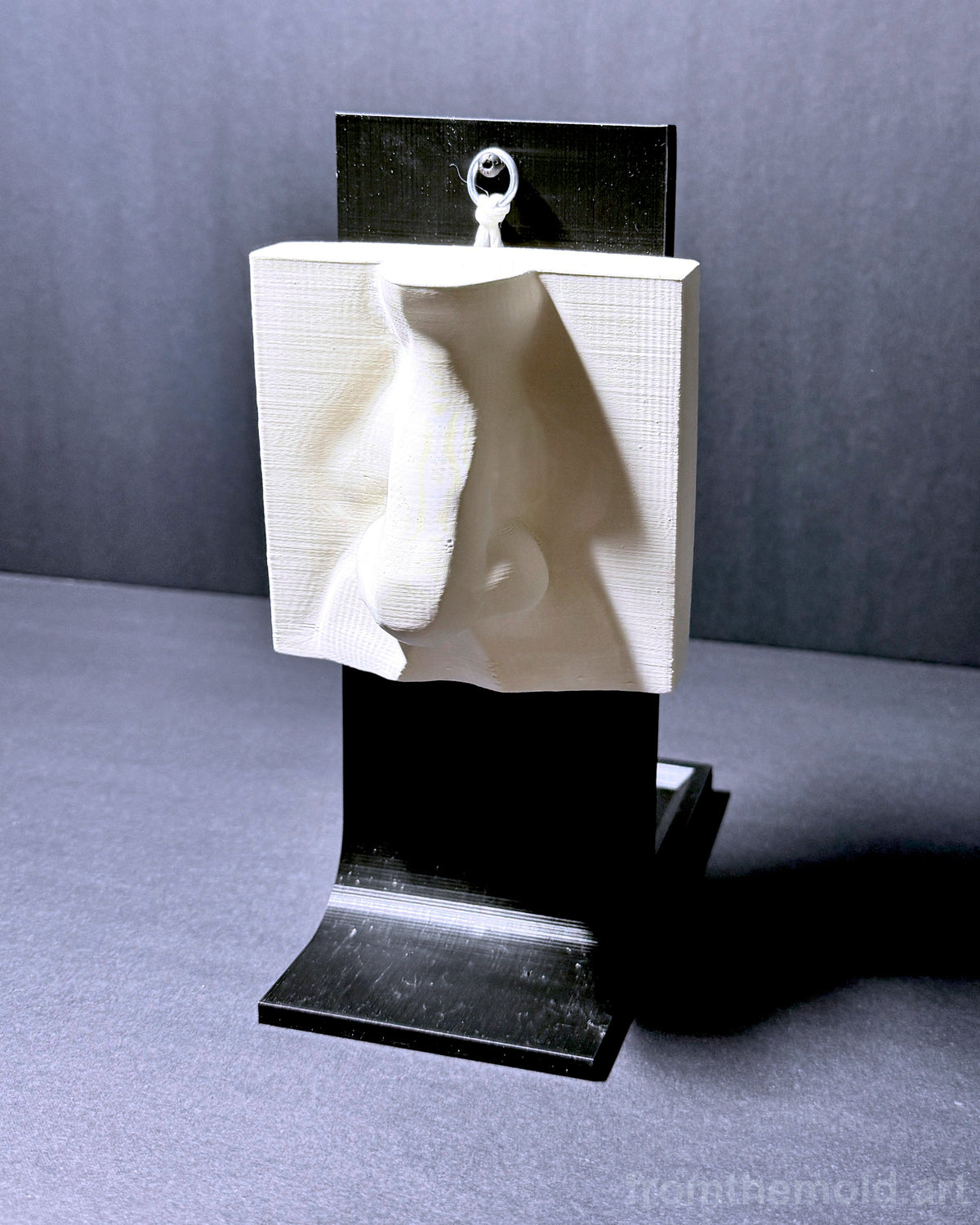
Basic Nose & Ear Plaster Study Cast Set
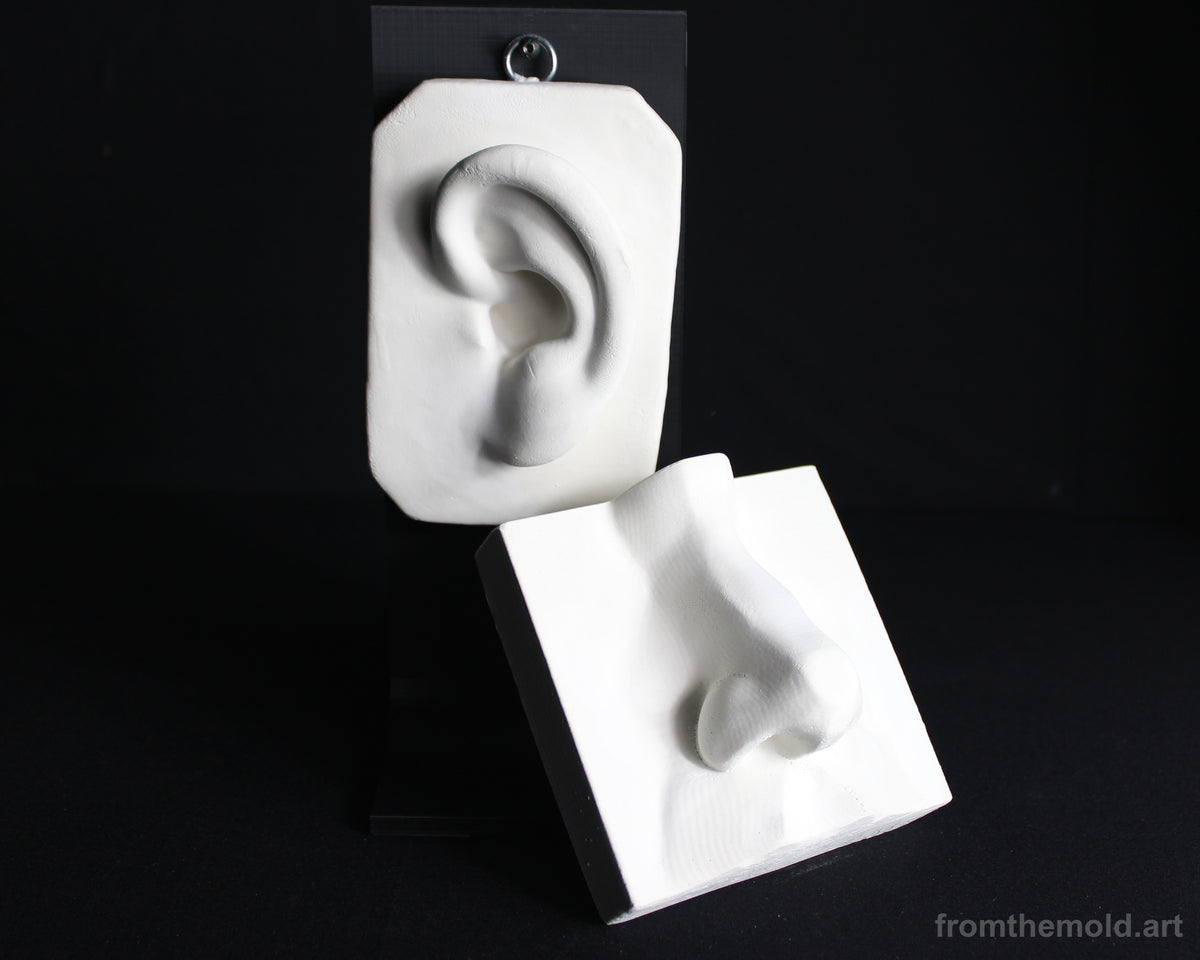
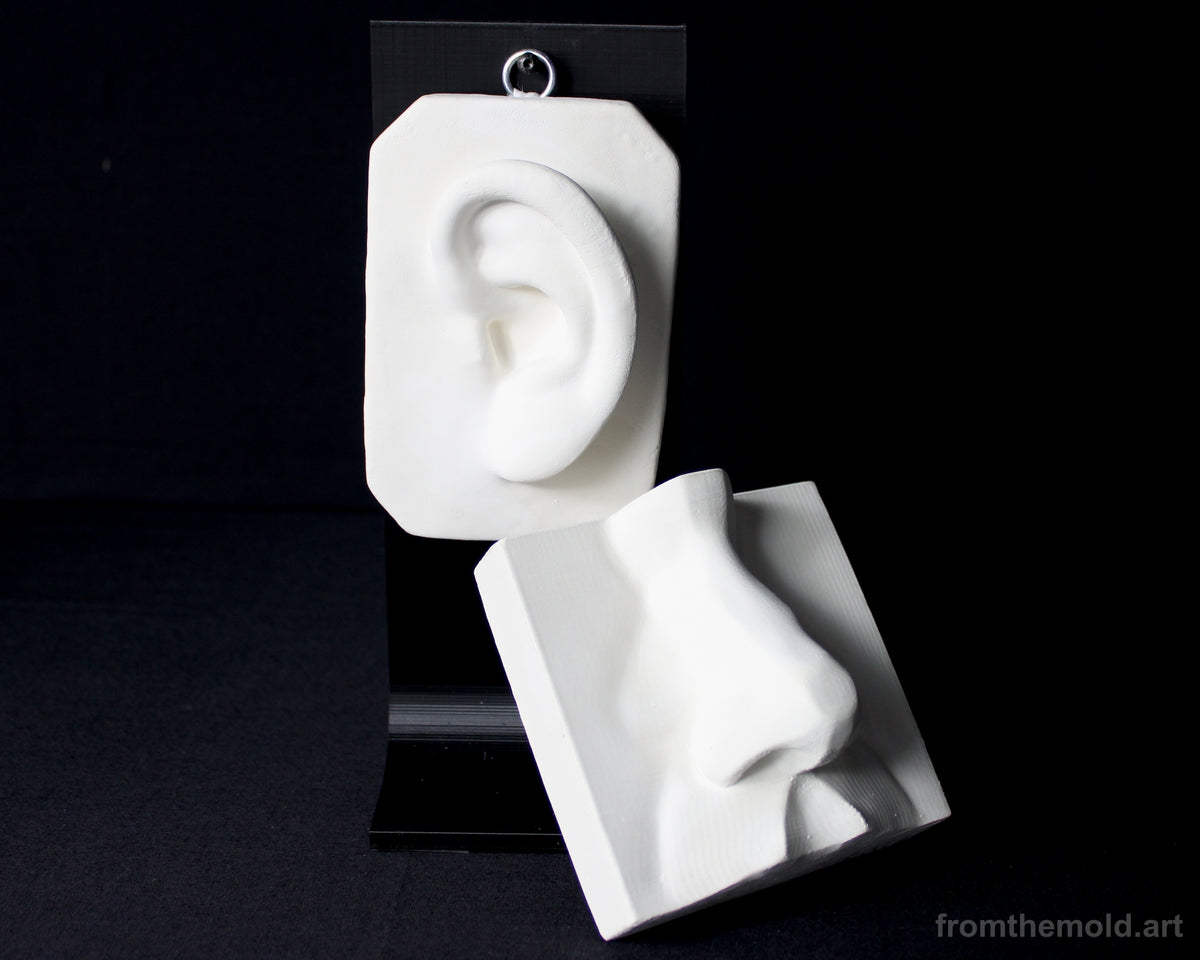
A handmade two-piece plaster study set designed for artists learning the fundamentals of portrait drawing, facial anatomy, value, and three-dimensional form.
By isolating the nose and ear, the set gives you two focused subjects that can be studied independently before moving on to more complex portrait casts. Their matte white plaster surfaces reduce the distraction of local color so you can concentrate on structure, proportion, light, and shadow.
What's Included
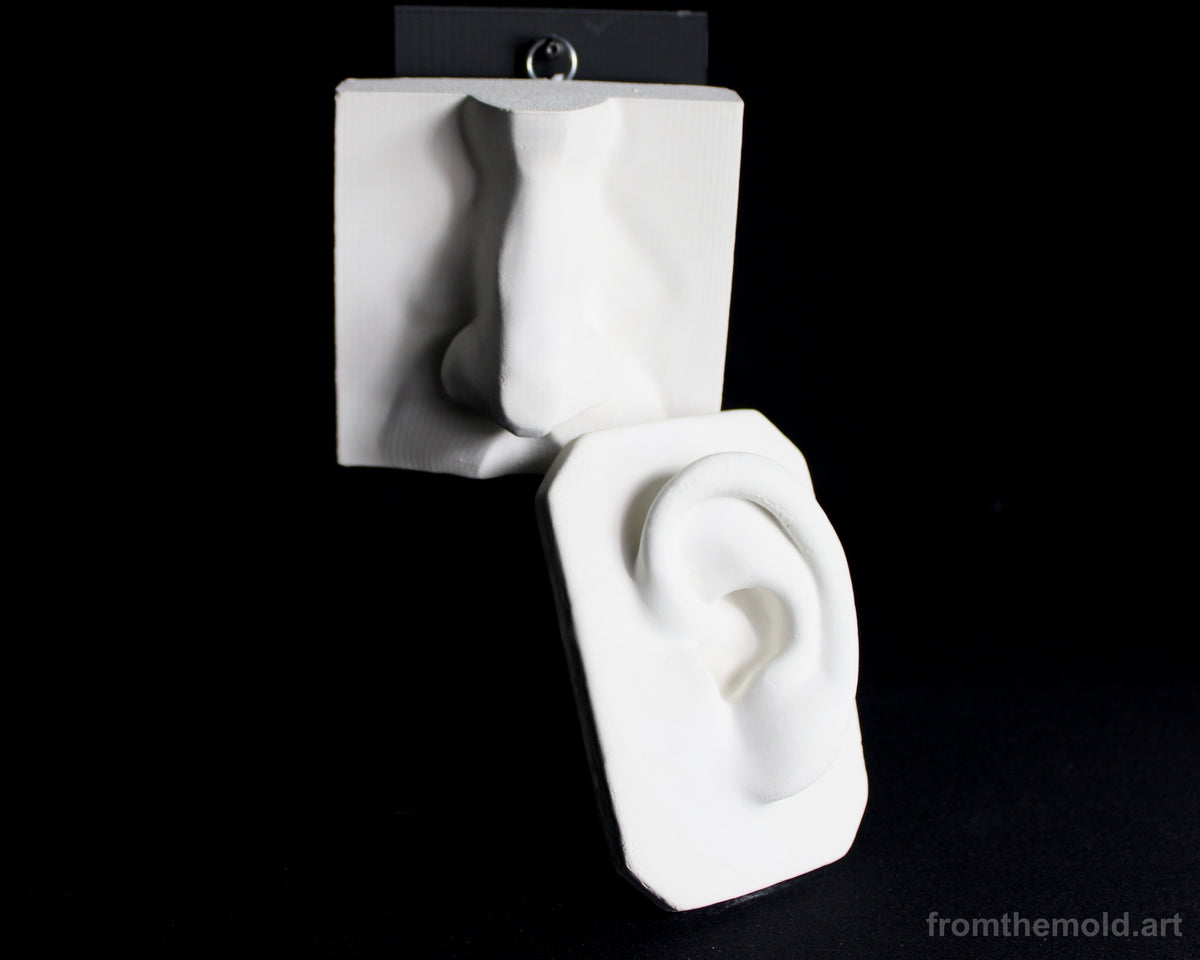
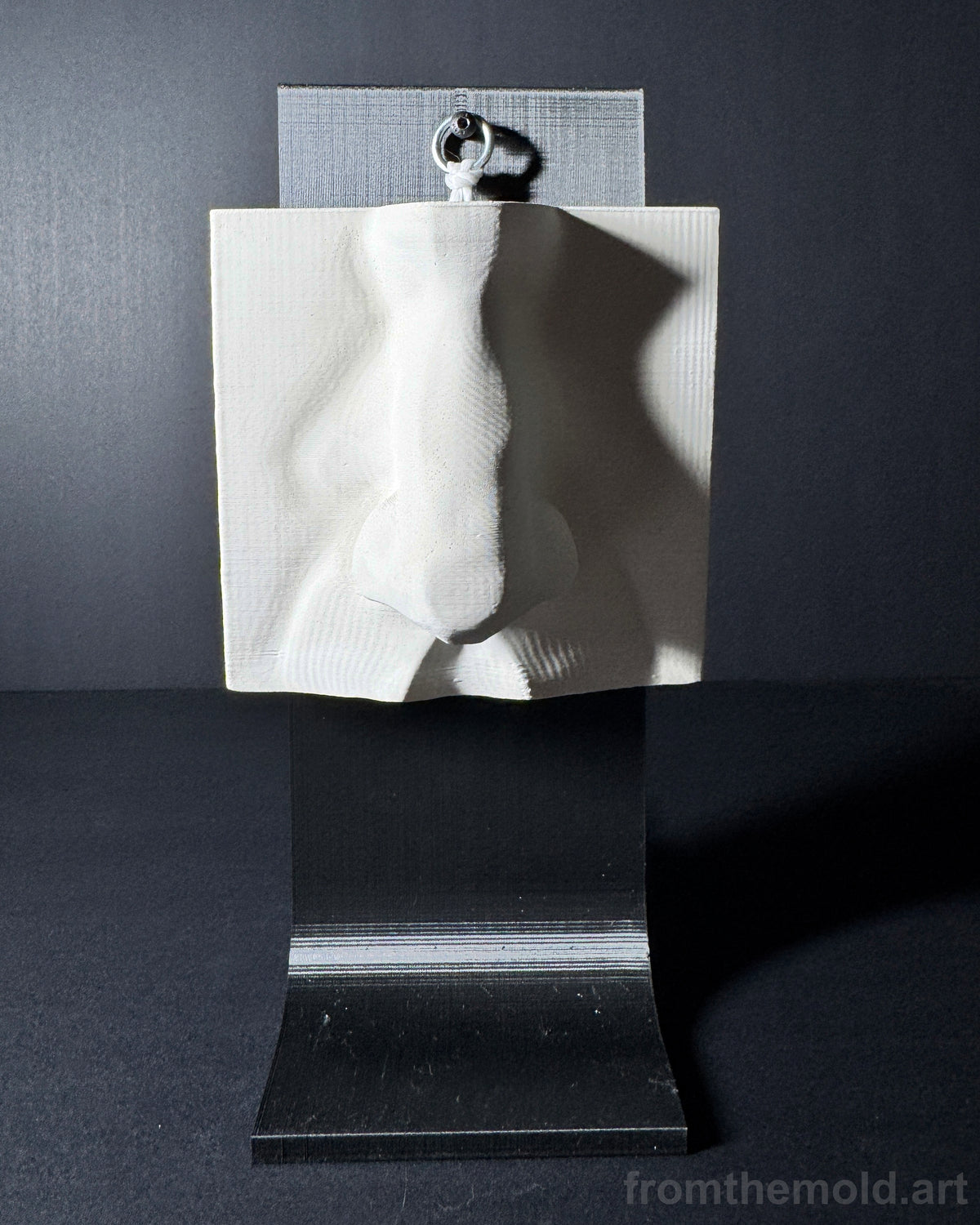
- Basic Nose plaster study cast
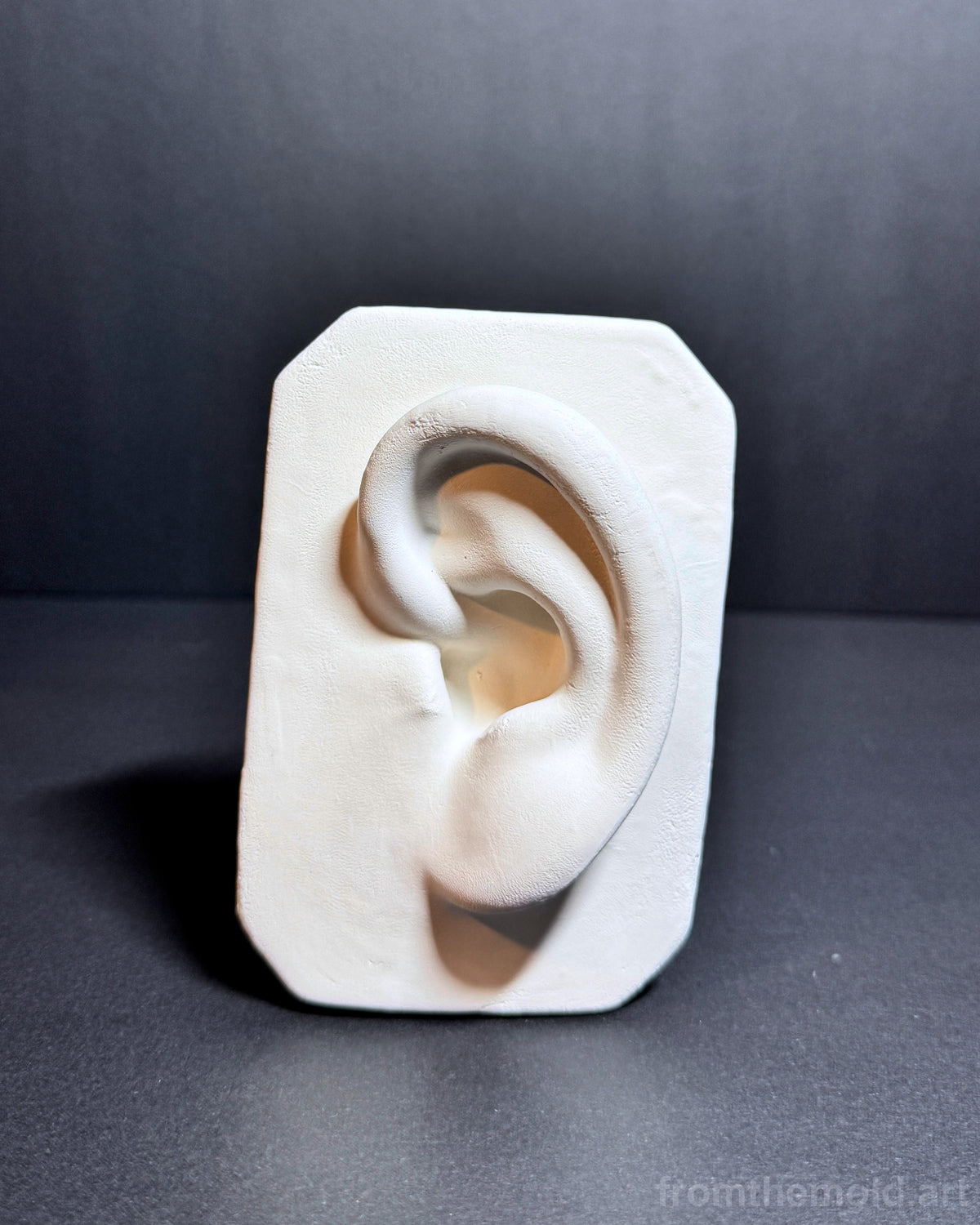
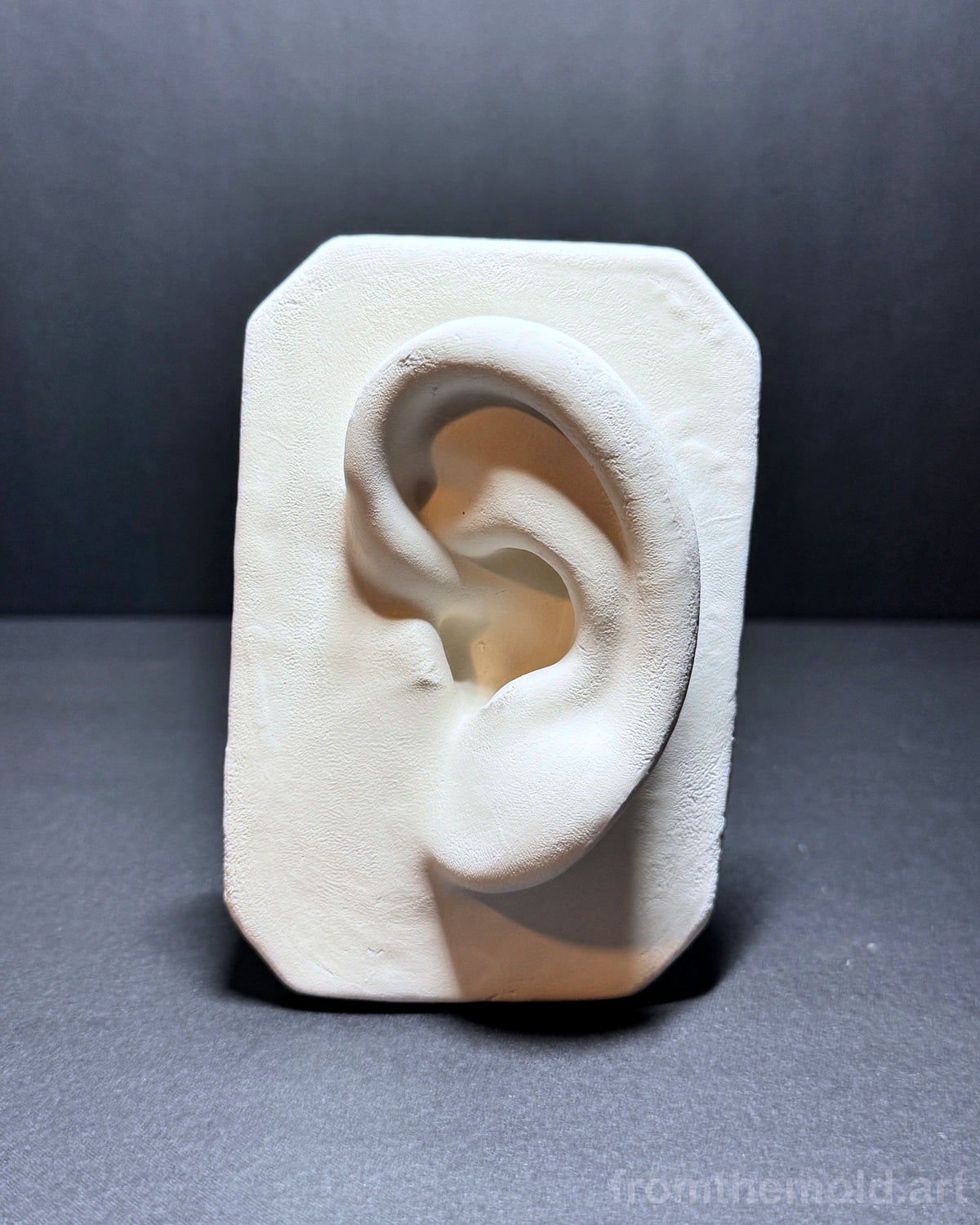
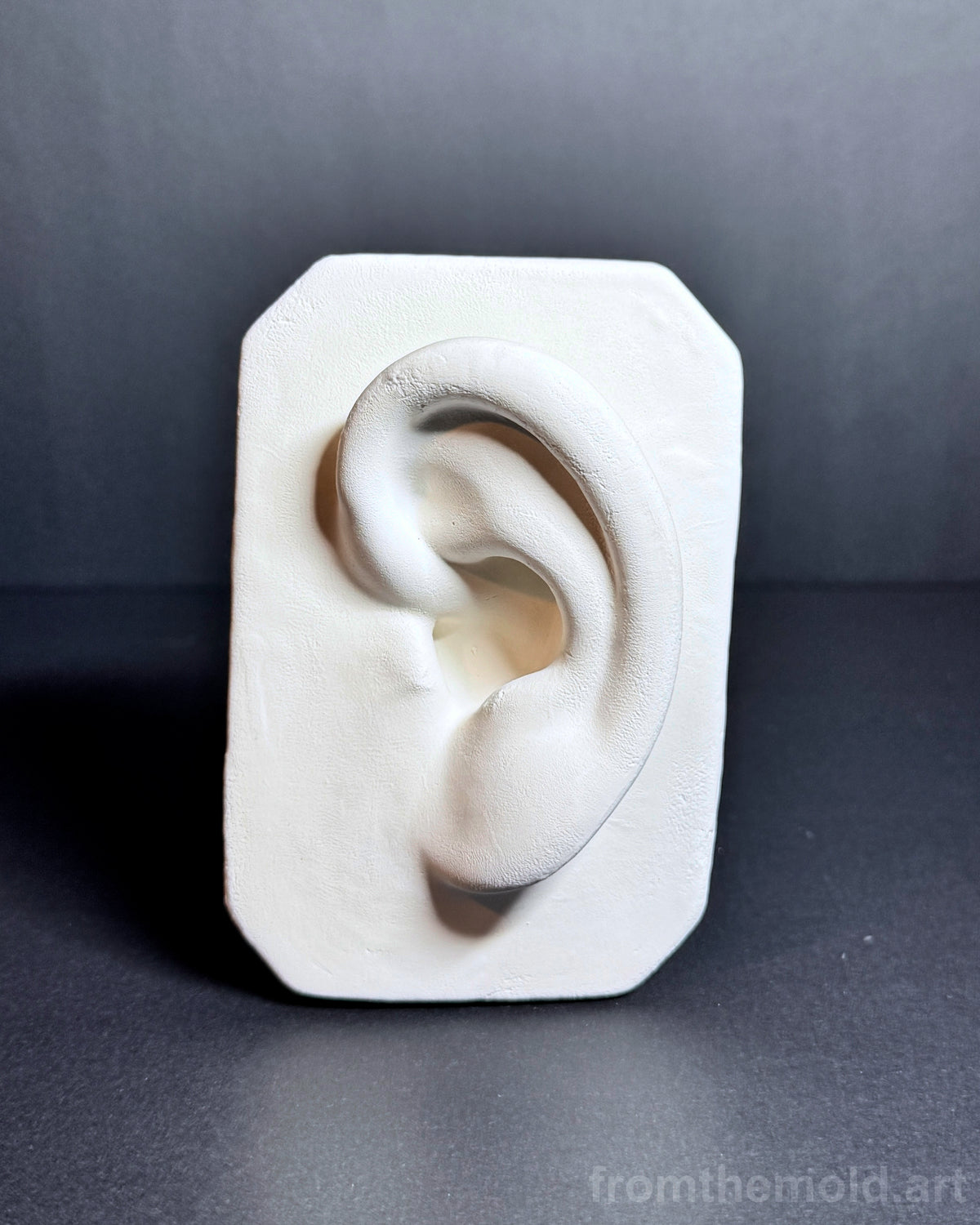
- Basic Ear plaster study cast
Why Study These Forms Together?
The nose and ear present two very different drawing problems.
The nose is built from broad planes and simple masses, making it useful for learning how form turns toward and away from a light source. The ear introduces overlapping ridges, recesses, and more complex internal structure.
Together, they provide a practical progression from simpler planar form into more intricate anatomy and observation.
What You Can Practice
- Basic facial anatomy and structure
- Major and minor plane changes
- Proportion and measurement
- Light and shadow relationships
- Value control and rendering
- Overlapping forms and recesses
- Observational drawing
- Traditional cast drawing methods
Suggested Study Progression
Start with the nose and simplify it into the bridge, side planes, tip, and underside. Use a single directional light and look for the largest divisions between light and shadow before adding detail.
Then move to the ear and begin with its overall silhouette before working inward to the larger ridges, folds, and recessed forms.
Once you are comfortable with each cast, change the direction of the light or your viewing angle and repeat the study. This helps build an understanding of the underlying three-dimensional structure rather than memorizing a single view.
Why Plaster?
Plaster has long been used for artistic training because its matte white surface minimizes the distraction of local color. Under controlled lighting, subtle changes in plane, reflected light, form shadow, and cast shadow become easier to observe.
Best For
- Beginning portrait drawing
- Facial anatomy study
- Cast drawing
- Light and shadow exercises
- Value studies
- Art students
- Independent studio practice
- Atelier training
- Art classrooms
Product Details
Material: White plaster
Finish: Natural white plaster
- Basic Nose: approximately 4 in square (10.2 cm square)
- Basic Ear: approximately 3.5 in × 4 in (8.9 cm × 10.2 cm)
- Integrated hanging loop on the back of each cast
- Suitable for tabletop or wall-mounted study
- Compact size for individual or classroom practice
Handmade in the Studio
Each piece in the Basic Nose & Ear Study Set is individually cast and finished by hand.
Small air bubbles may occasionally be present on the rear or base of the cast as part of the casting process, but the primary study surface is kept clean for drawing and observation.
Optional Study Stand
These casts are compatible with the From the Mold desktop study stand, allowing them to be positioned upright on a desk or drawing table without permanent wall mounting.
The stand's black background provides strong contrast against the white plaster, while rubber feet on the base help reduce sliding during use. Study stand sold separately.
For Educators
The Basic Nose & Ear Study Set is well suited for introductory portrait drawing, facial anatomy, value studies, and classroom demonstrations.
The two casts can be used at separate student stations or together as a simple progression from broad planar structure to more complex overlapping forms.
For multiple sets or classroom orders, contact From the Mold regarding quantity purchasing options for educational programs.
Share