From the Mold
Mouth of David Plaster Study Cast – Portrait Drawing, Anatomy & Form Reference
Mouth of David Plaster Study Cast – Portrait Drawing, Anatomy & Form Reference
Couldn't load pickup availability
Mouth of David Plaster Study Cast
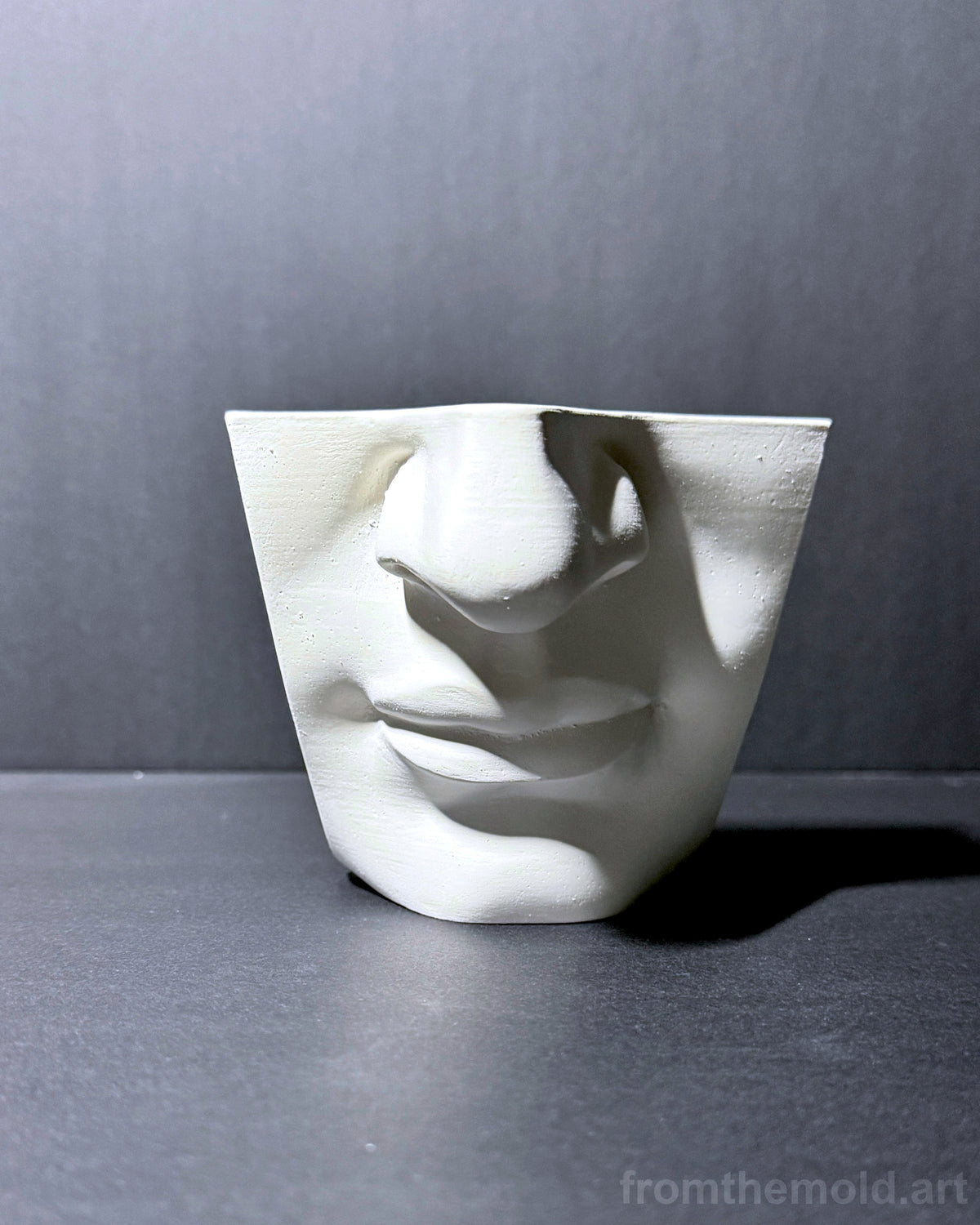
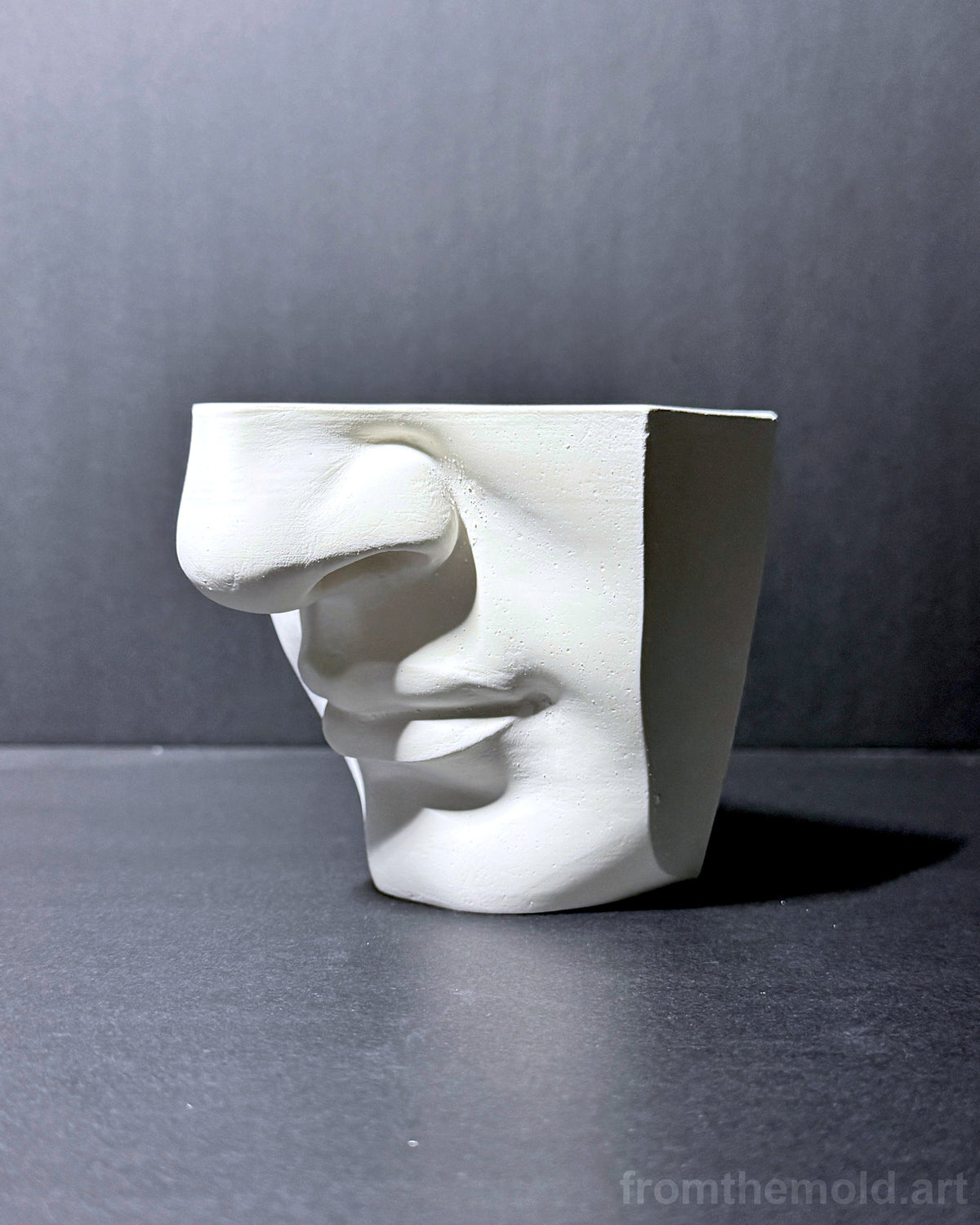
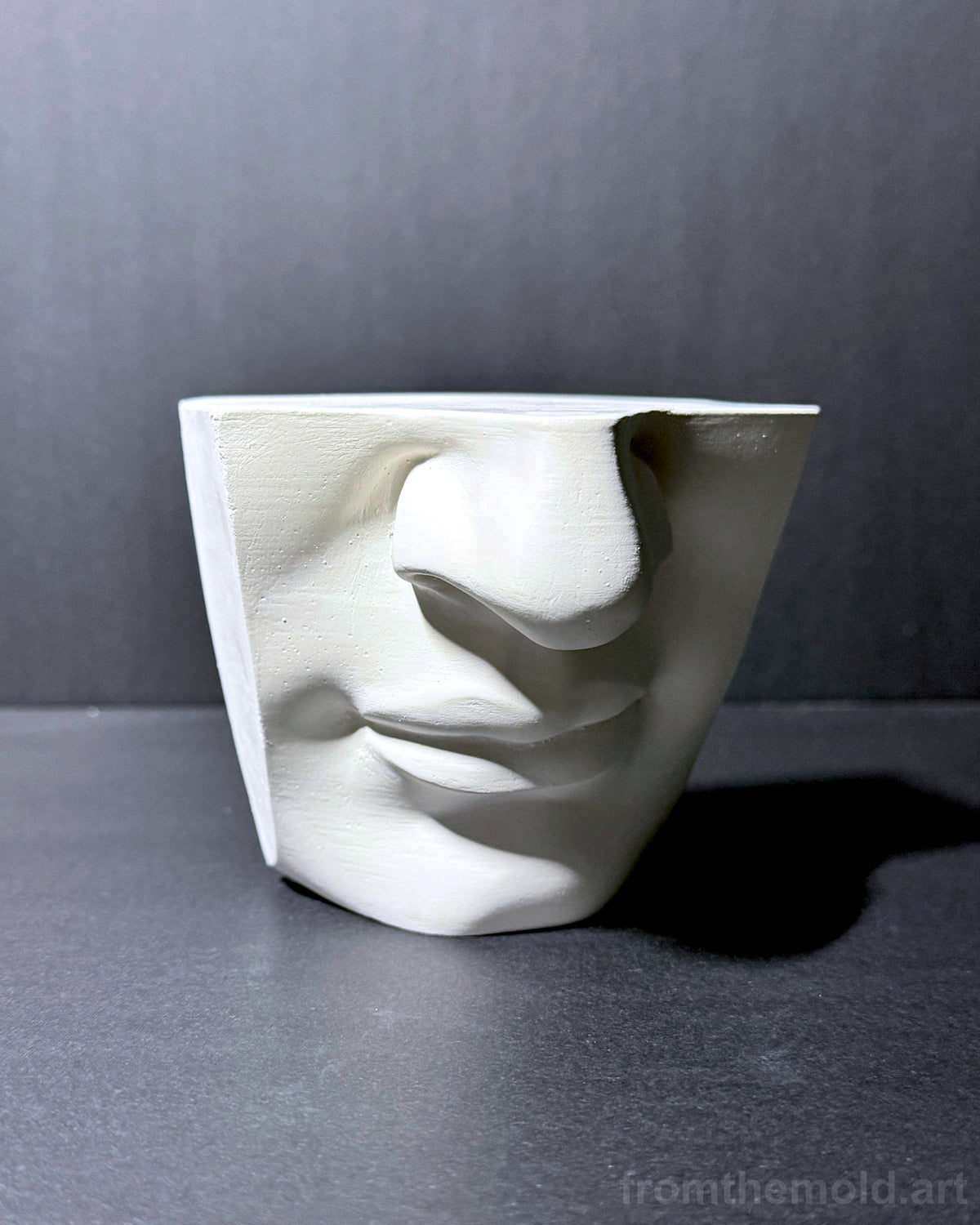
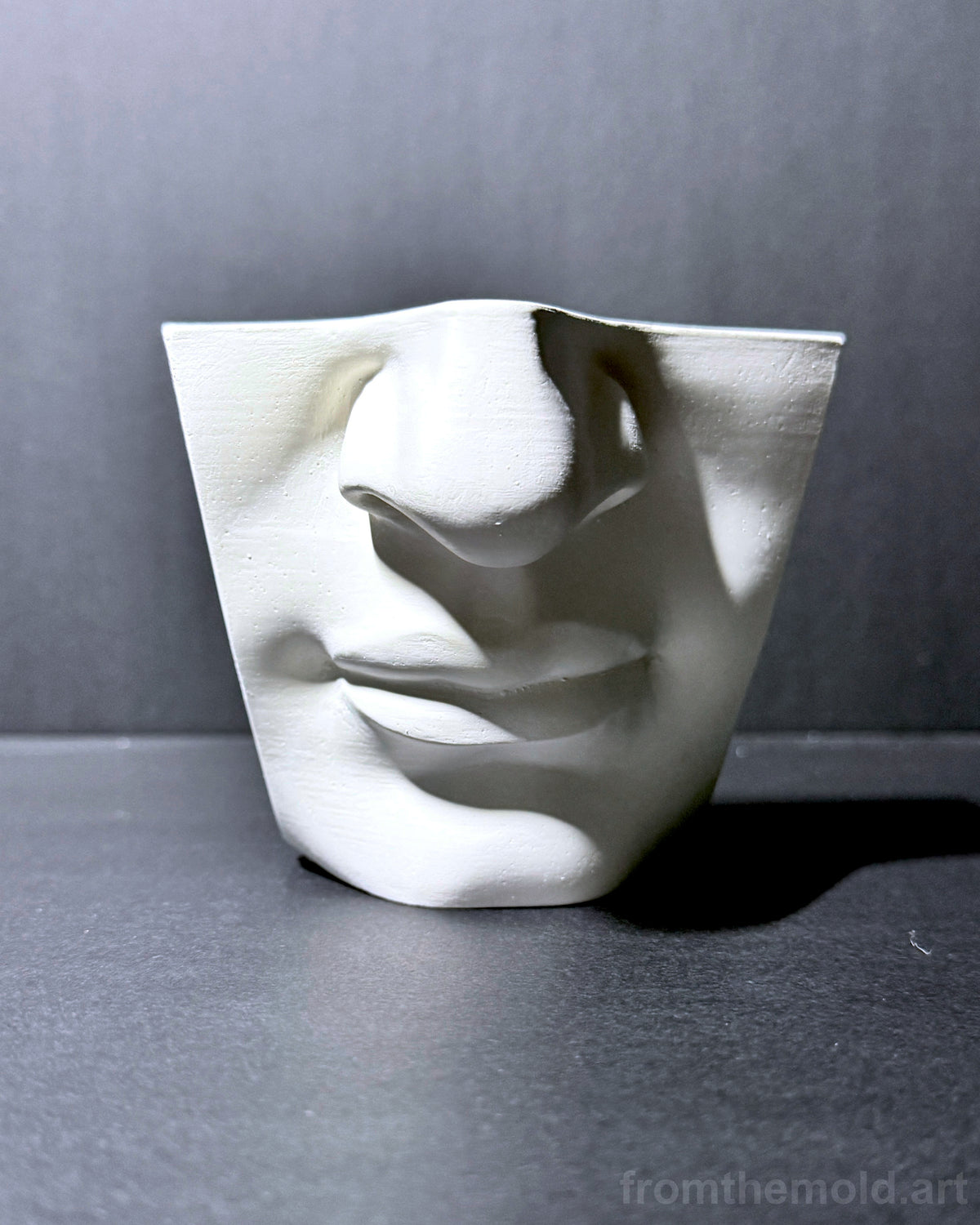
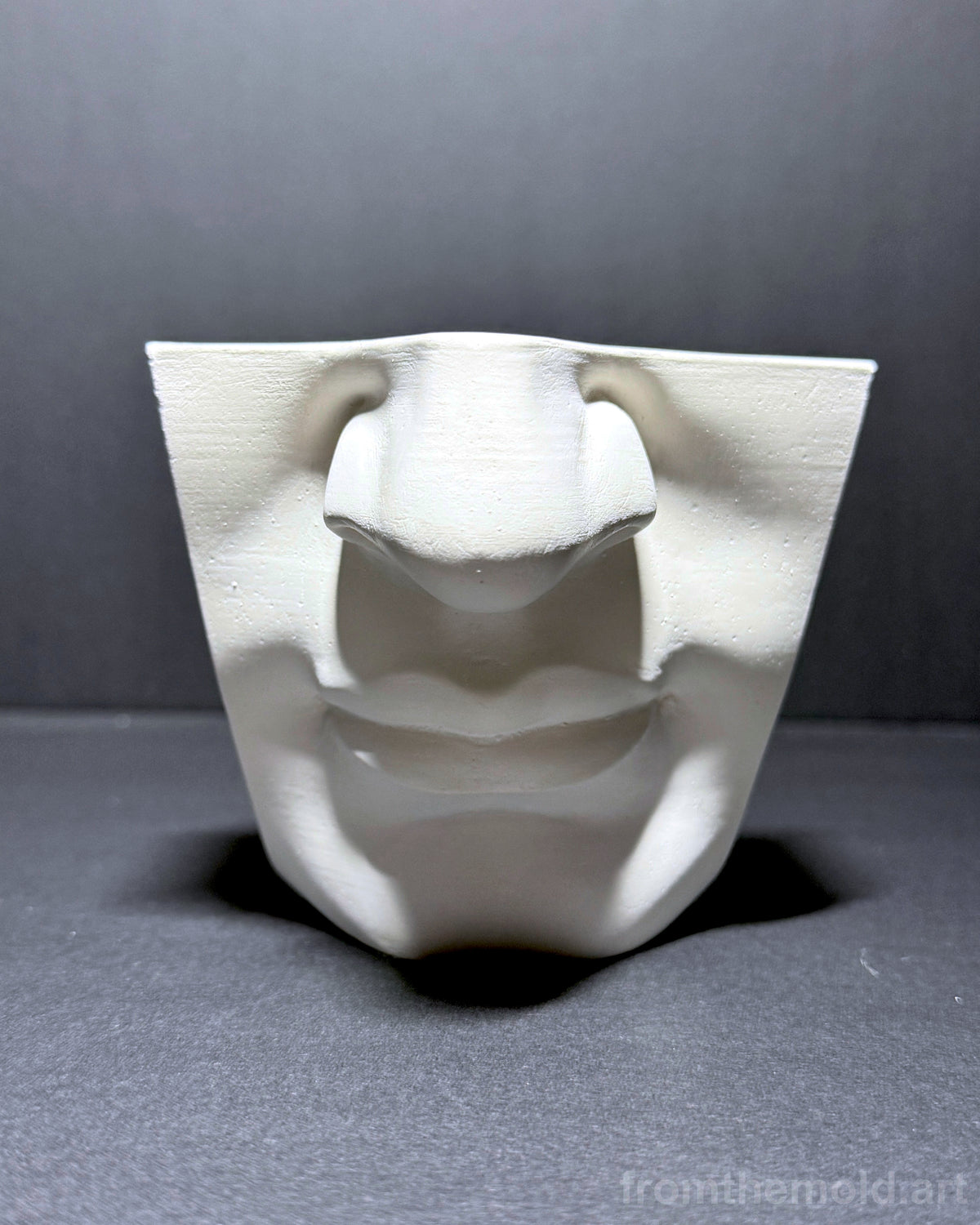
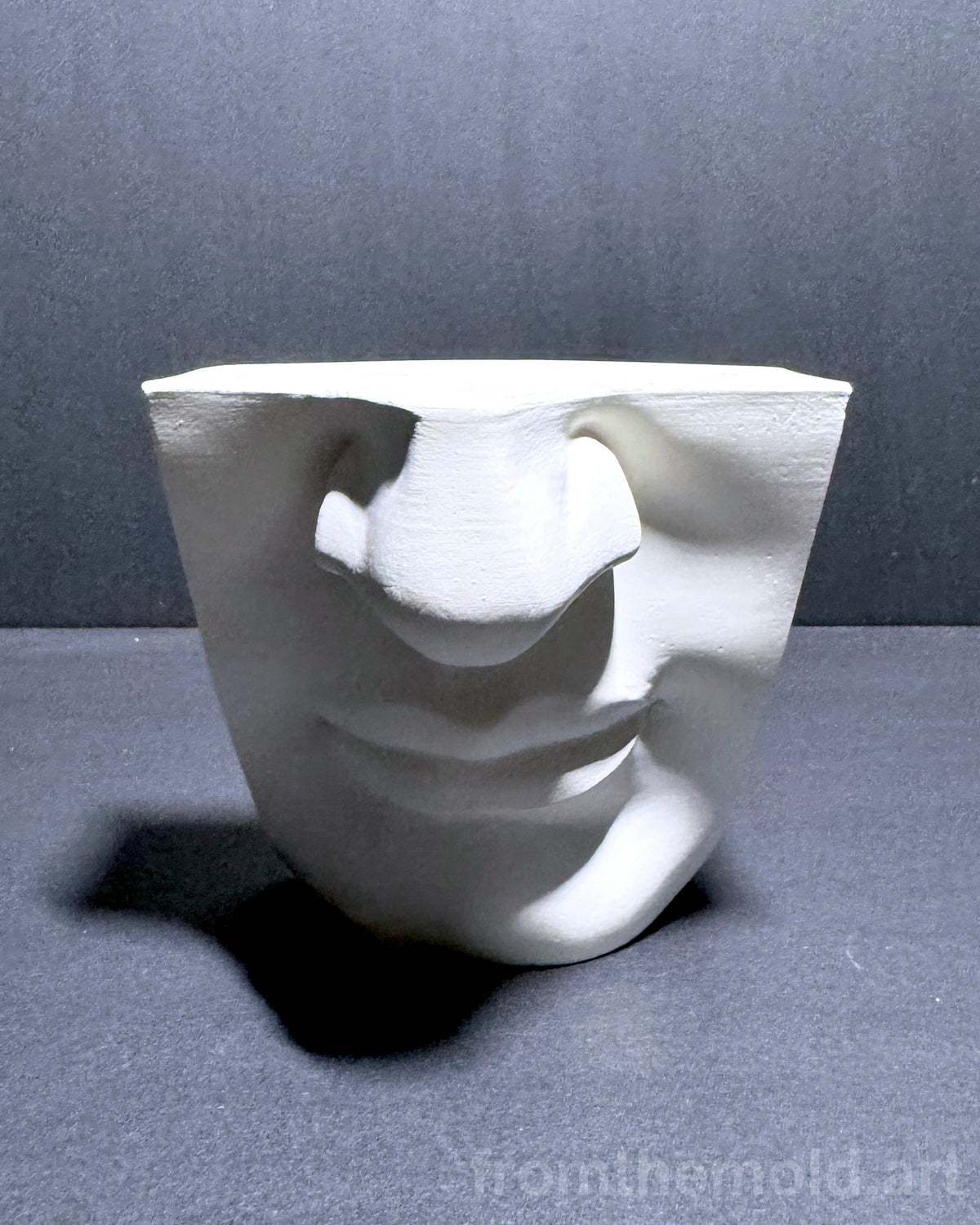
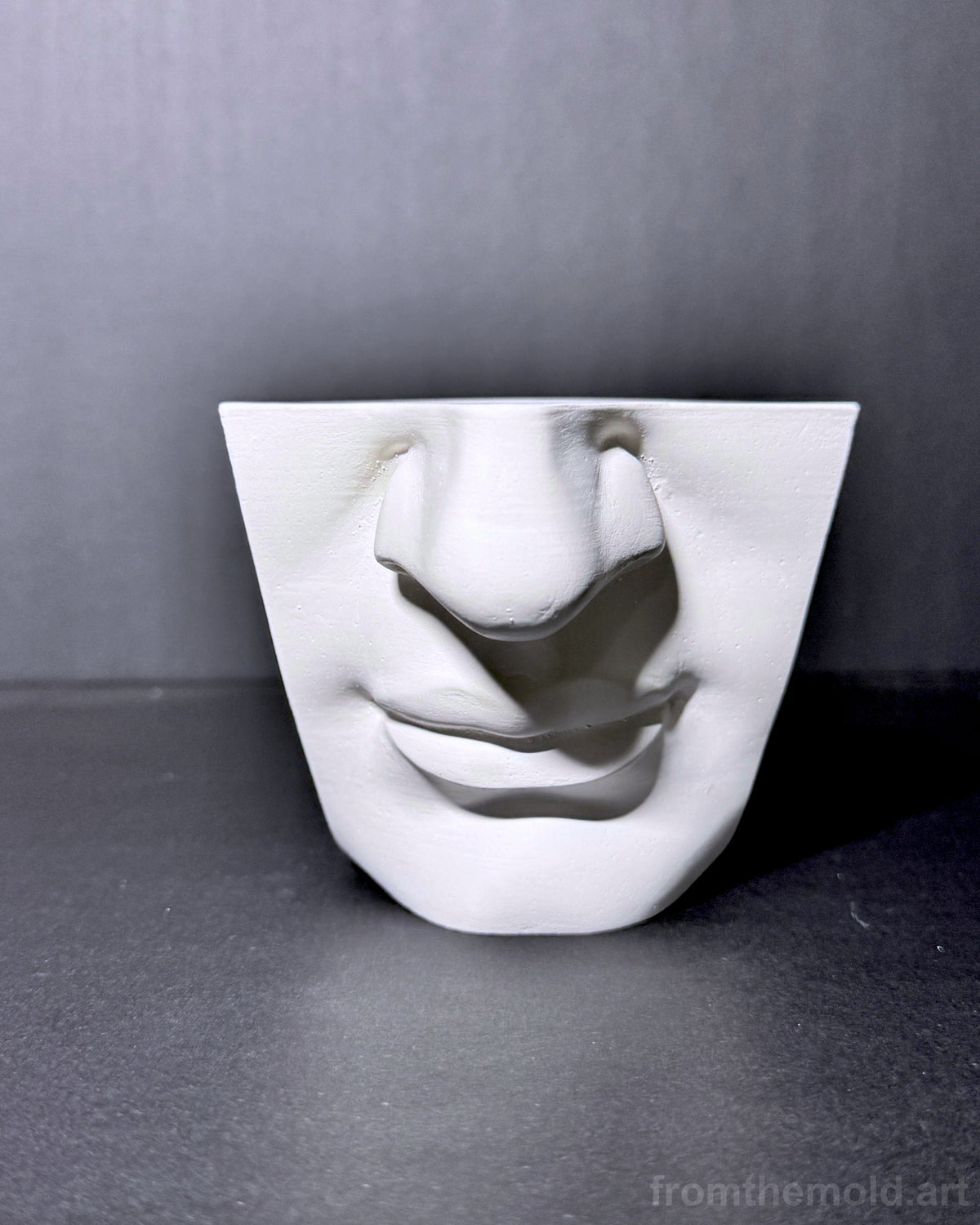
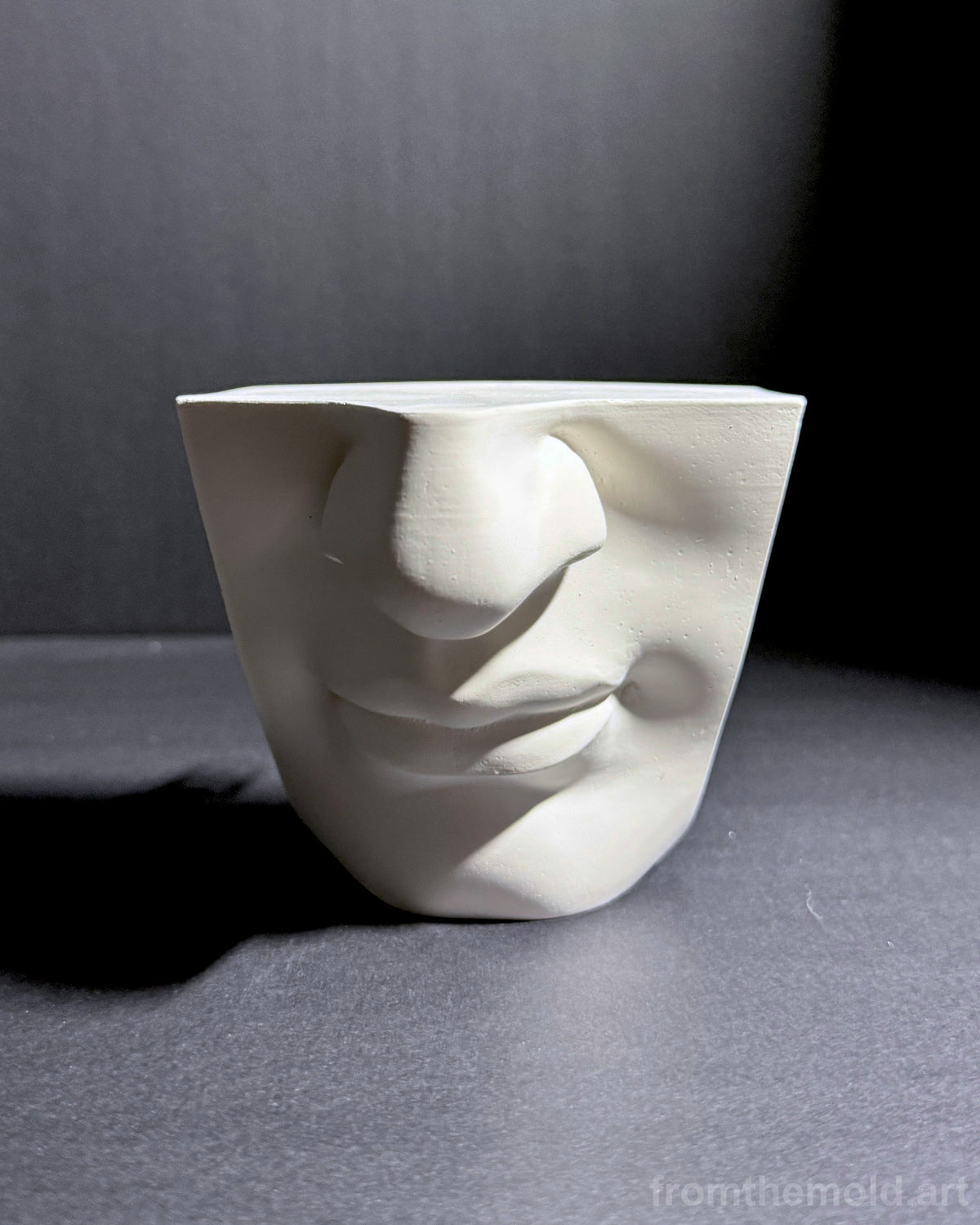
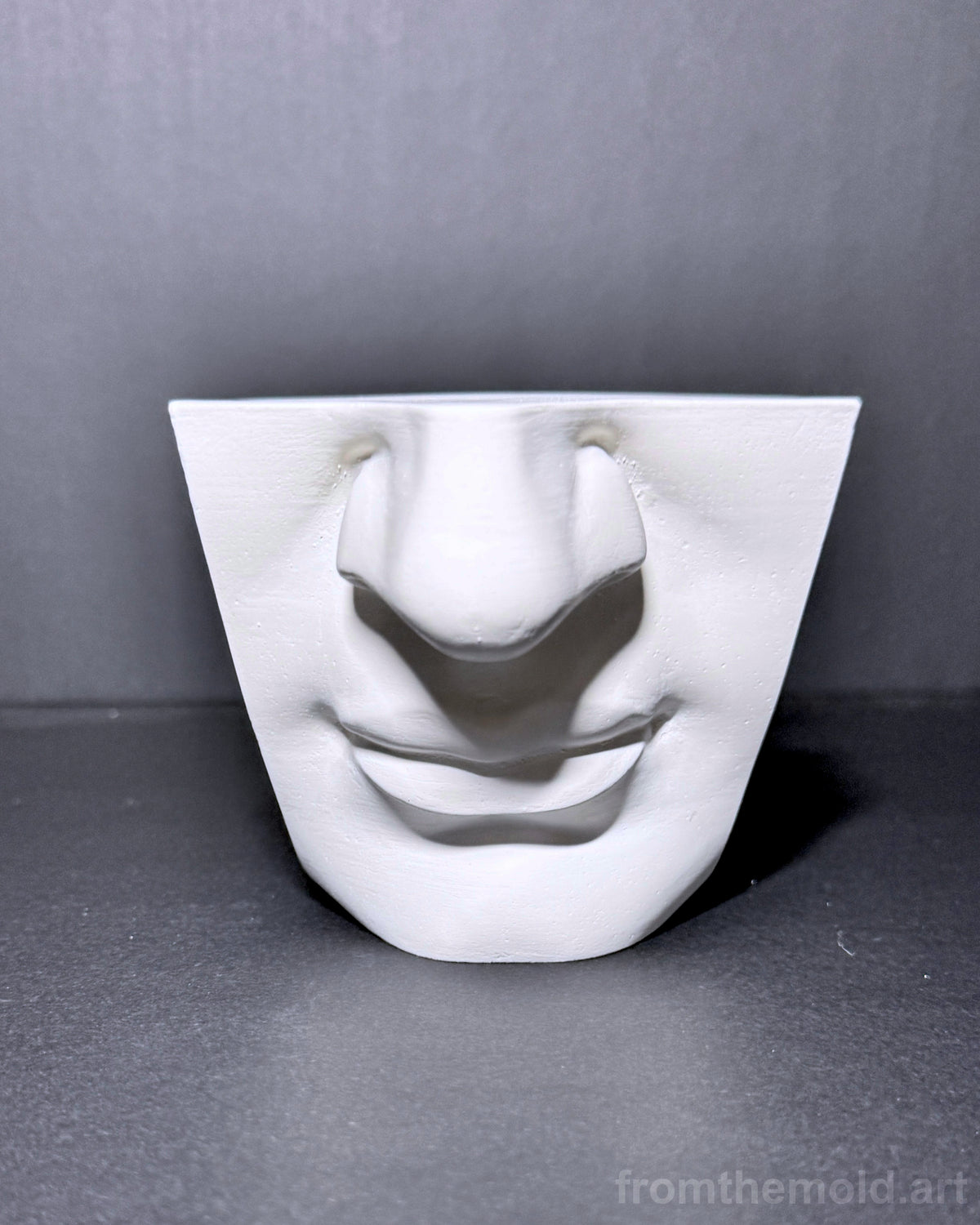
A handmade plaster study cast designed for artists practicing portrait drawing, facial anatomy, value, and three-dimensional form.
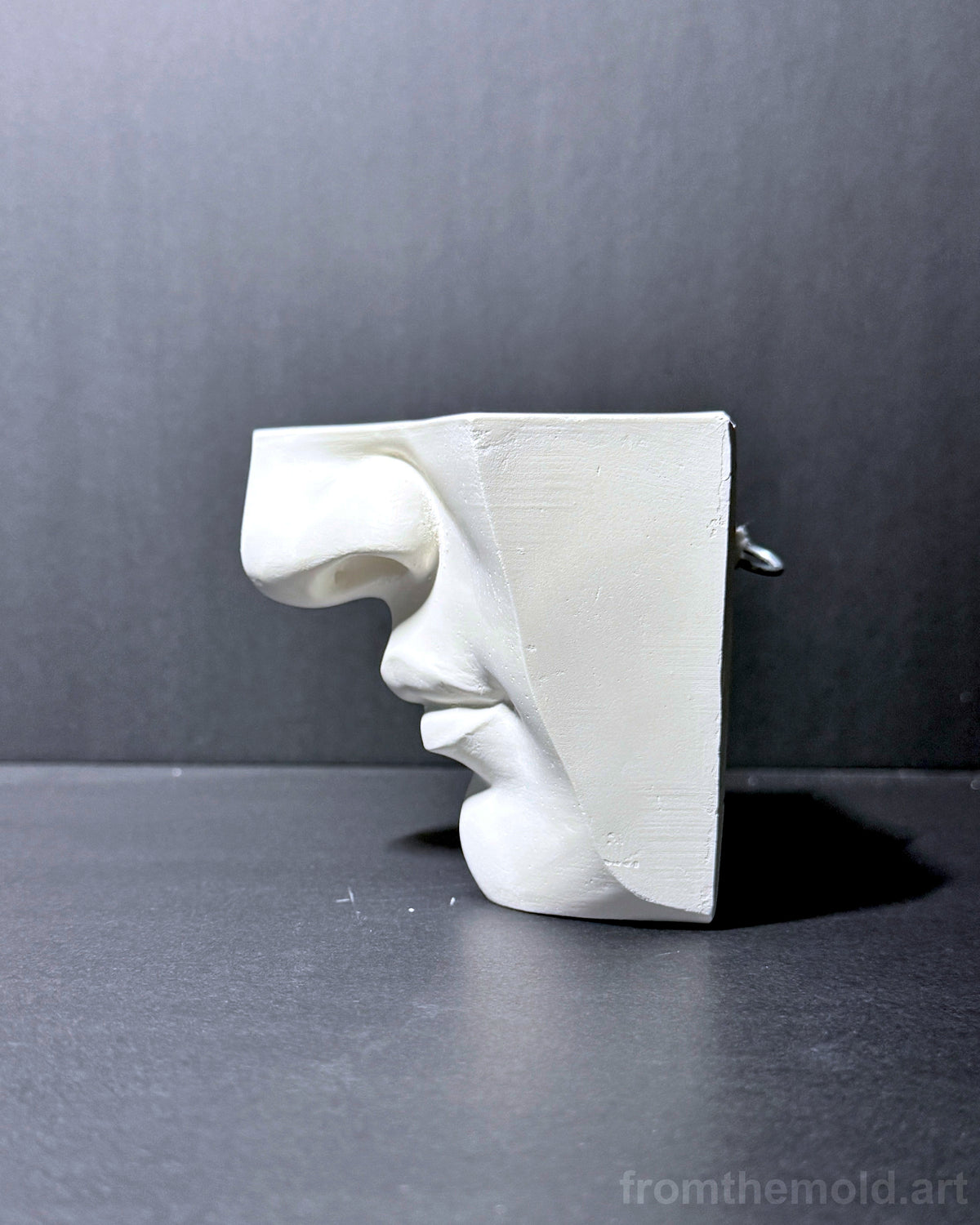
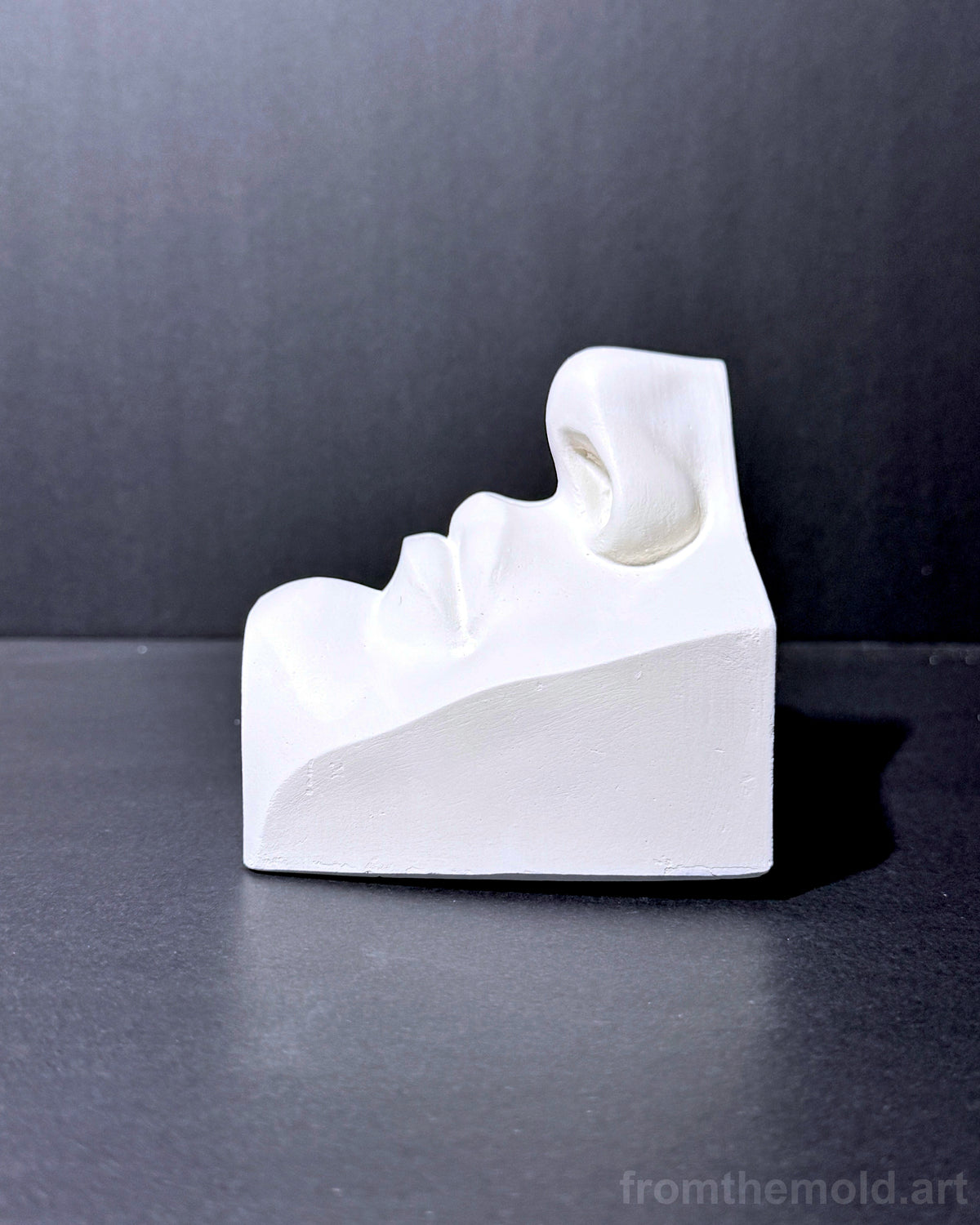
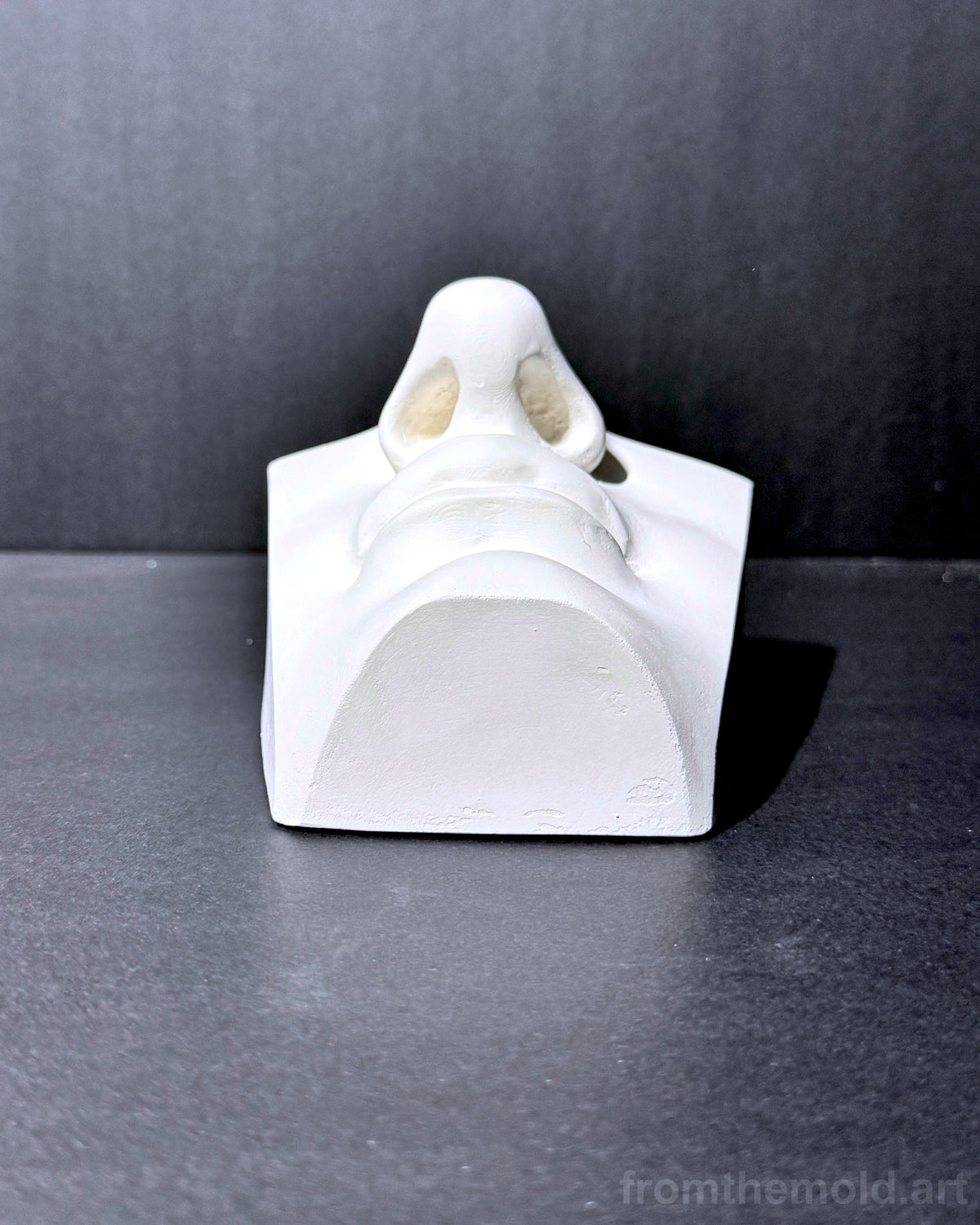
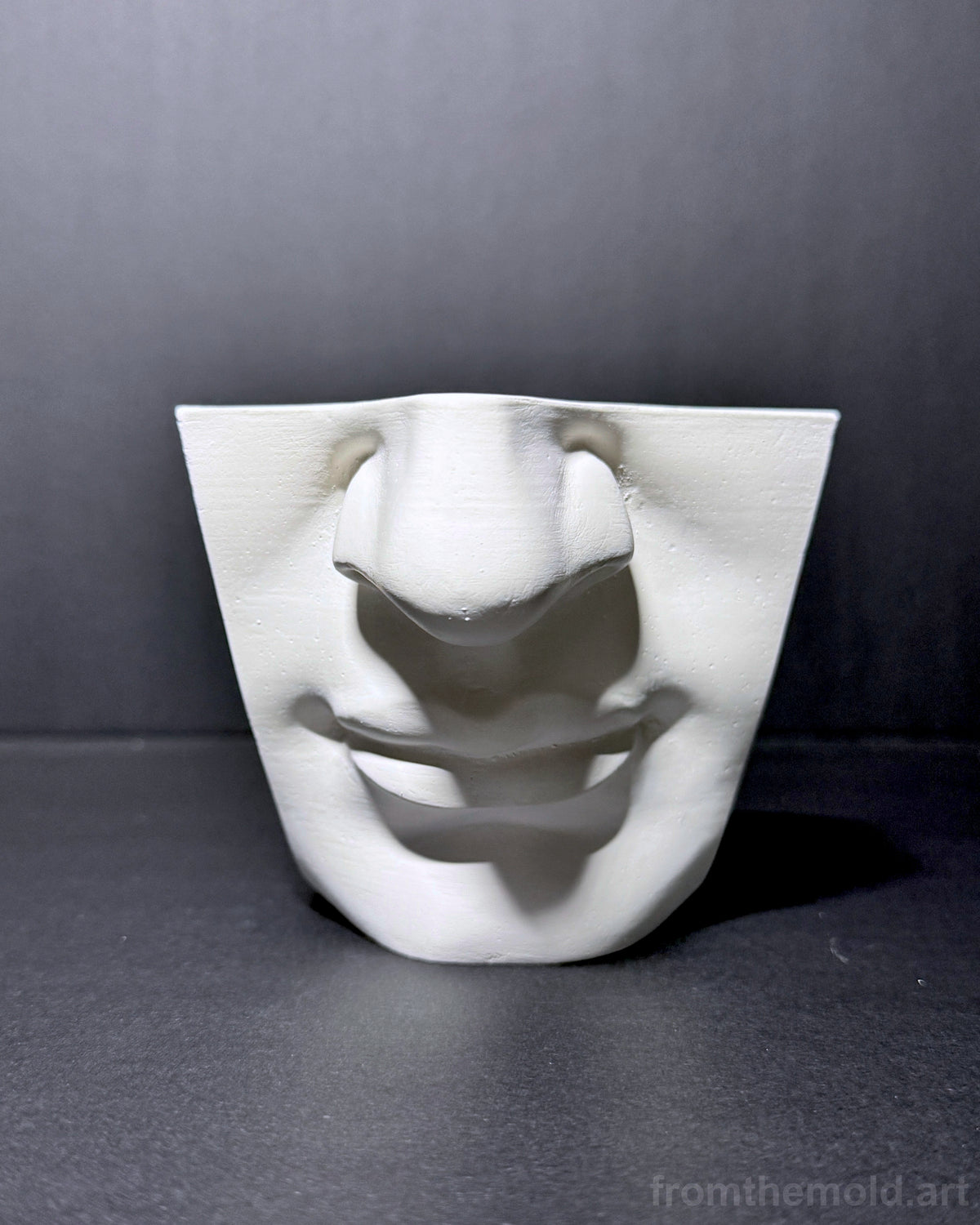
This cast includes the mouth, surrounding facial structure, and part of the nose. That additional structure allows artists to study not only the lips themselves, but also the natural cast shadow created by the nose over the upper lip.
The result is a more complete lighting and anatomy study than a mouth isolated by itself.
Why Artists Study This Cast
The mouth is one of the most expressive features of the face, but its structure extends well beyond the visible edges of the lips.
The upper and lower lips wrap around the underlying muzzle, while the corners of the mouth, philtrum, chin, nose, and surrounding planes all contribute to the way the feature appears in three dimensions.
This cast preserves those relationships.
The included portion of the nose creates a natural shadow across the upper lip and nearby forms, allowing you to study how one facial feature affects another under directional light.
Rather than treating the lips as a flat symbol, the cast encourages you to think about the mouth as part of a larger three-dimensional structure.
What You Can Practice
• Structure of the lips and surrounding muzzle
• Relationship between the nose, mouth, and chin
• Natural cast shadows from the nose onto the upper lip
• Facial anatomy and connected forms
• Major and minor plane changes
• Light and shadow relationships
• Value control and rendering
• Proportion and measurement
• Observational drawing
• Traditional cast drawing methods
Study Suggestions
Begin by looking beyond the outline of the lips.
Identify the larger mass of the mouth and how it projects from the face. Look for the center line, the relationship between the upper and lower lips, and the way the corners turn back into the surrounding structure.
Then study the nose and the shadow it creates over the upper lip.
Place the cast under a single directional light and simplify the subject into large light and shadow families before adding smaller value transitions.
Pay attention to the difference between form shadows, which describe the turning of the surface, and the cast shadow created by the nose.
For additional practice, change the direction or height of the light while keeping the cast stationary. Watch how the nose shadow moves across the mouth while the underlying anatomy remains unchanged.
This is a useful way to practice separating your understanding of form from one particular lighting setup.
Why Plaster?
Plaster has long been used for artistic training because its matte white surface minimizes the distraction of local color.
Under controlled lighting, subtle changes in plane, reflected light, form shadow, and cast shadow become easier to observe.
The inclusion of both the mouth and part of the nose makes this cast especially useful for studying how light behaves across connected facial features.
Best For
• Portrait drawing
• Facial anatomy study
• Mouth and lip studies
• Cast drawing
• Light and shadow exercises
• Cast-shadow studies
• Value studies
• Art students
• Atelier training
• Art classrooms
Product Details
Material: White plaster
Finish: Natural white plaster
Approximate Dimensions:
• Width: 10 cm (3.9 in)
• Depth: 9 cm (3.5 in)
• Height: 9.5 cm (3.7 in)
Features:
• Handmade plaster construction
• Includes the mouth and part of the nose
• Creates a natural nose shadow across the upper lip under directional lighting
• Compact size for individual or classroom practice
• Designed as an artistic reference and training tool
What's Included
• One handmade Mouth of David Plaster Study Cast
Handmade in the Studio
Each Mouth of David is individually cast and finished by hand.
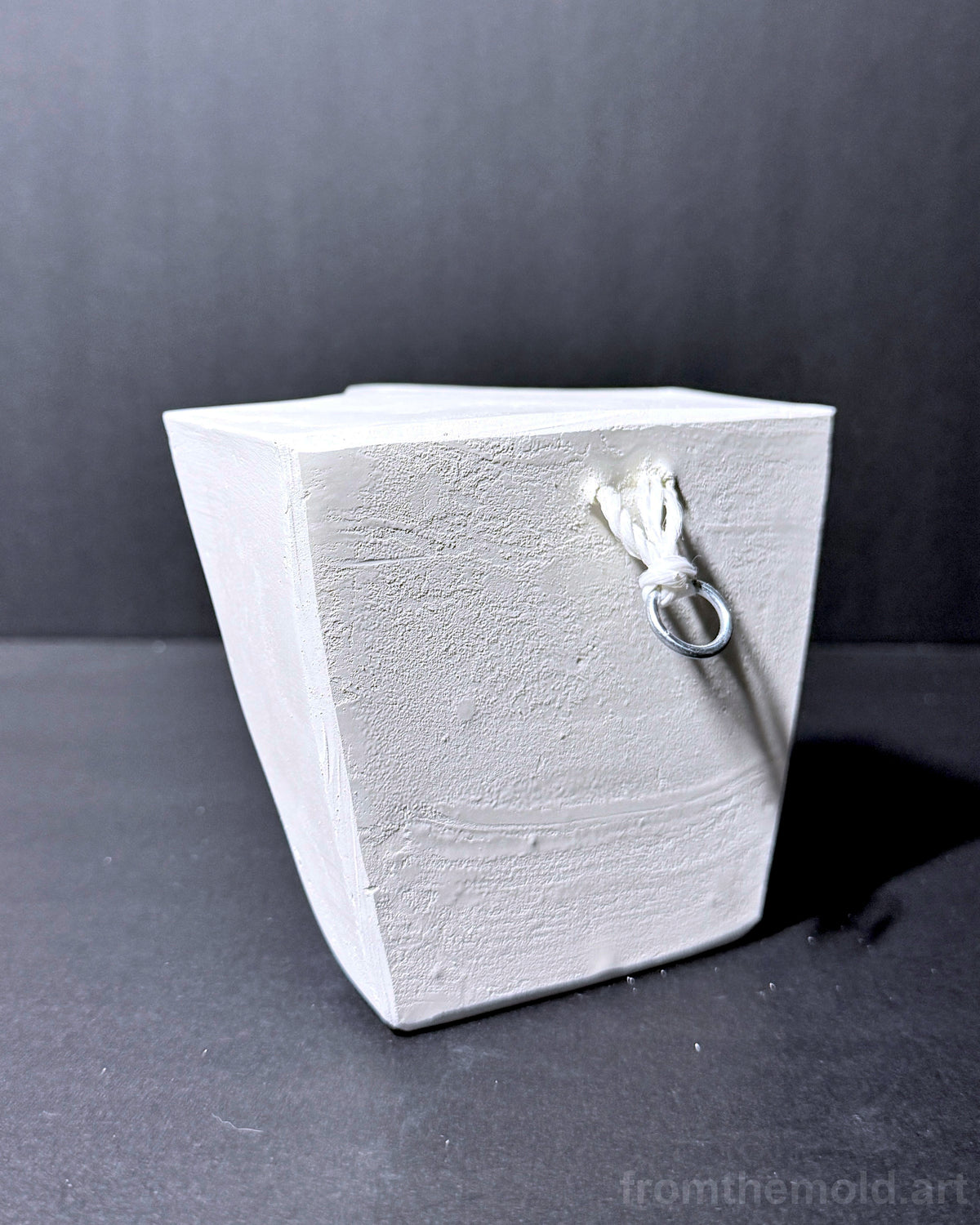
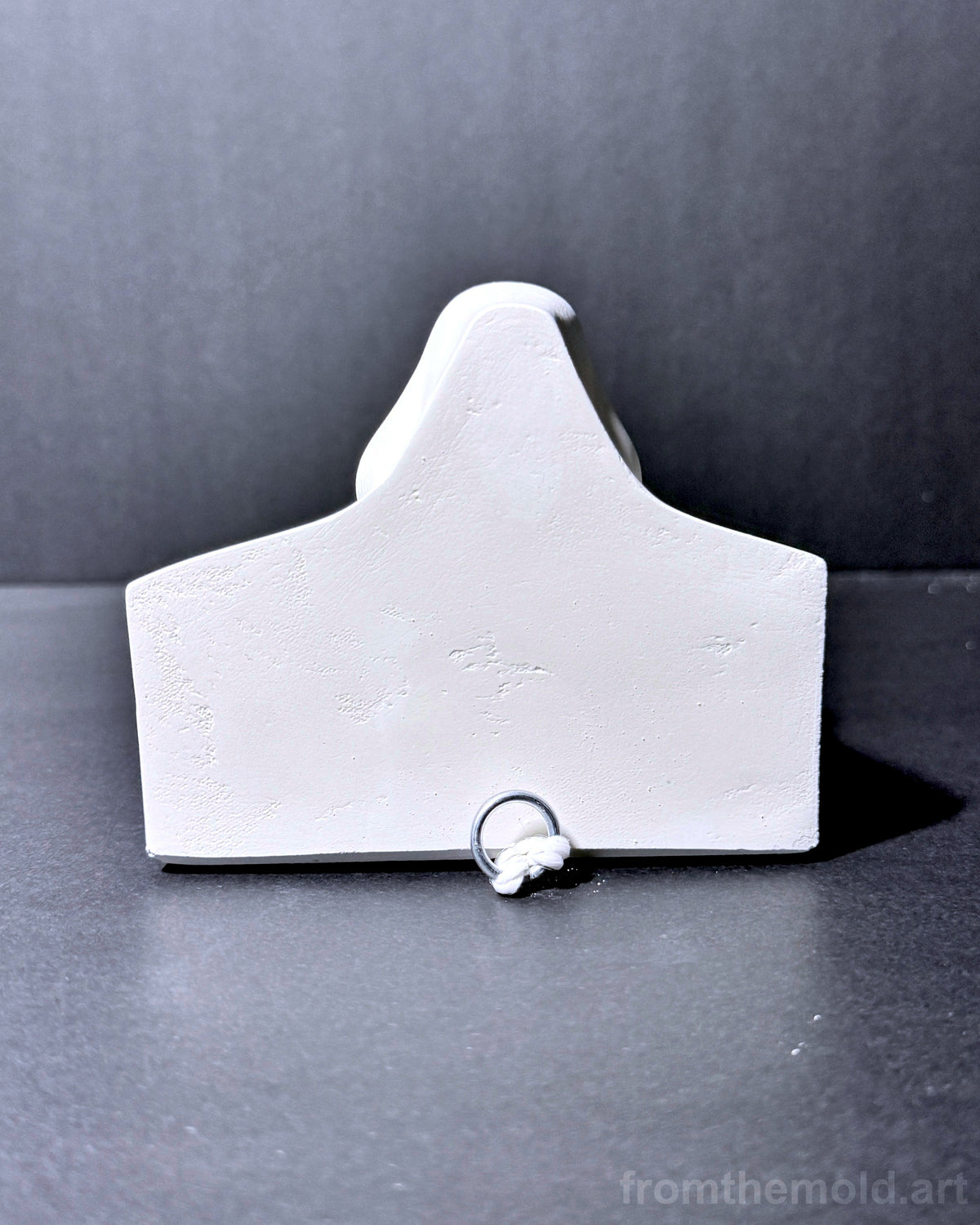
Each cast is made and finished by hand. Small air bubbles may occasionally be present on the rear or base of the cast as part of the casting process, but the primary study surface is kept clean for drawing and observation.
For Educators
The Mouth of David provides a focused classroom reference for teaching portrait structure, facial anatomy, value, observation, and the relationship between light and three-dimensional form.
The partial nose adds an especially useful teaching element because students can observe how a cast shadow falls from one facial structure onto another.
Its compact size makes it practical for individual study stations, demonstrations, workshops, atelier programs, and classroom drawing exercises.
For multiple casts or classroom orders, contact From the Mold regarding quantity purchasing options for educational programs.
Share