From the Mold
Laocoön Mask Plaster Study Cast – Portrait, Expression & Form Reference
Laocoön Mask Plaster Study Cast – Portrait, Expression & Form Reference
Couldn't load pickup availability
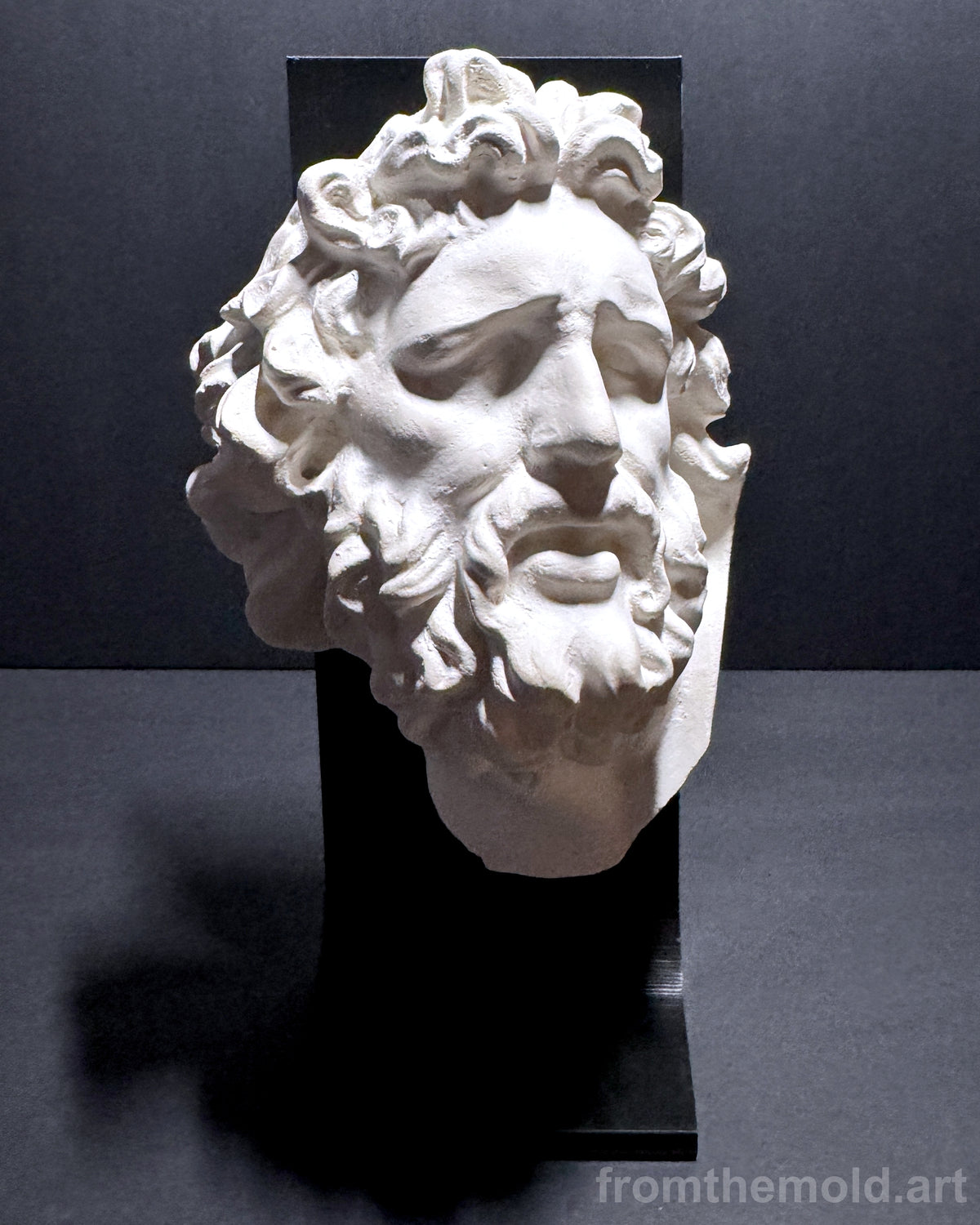
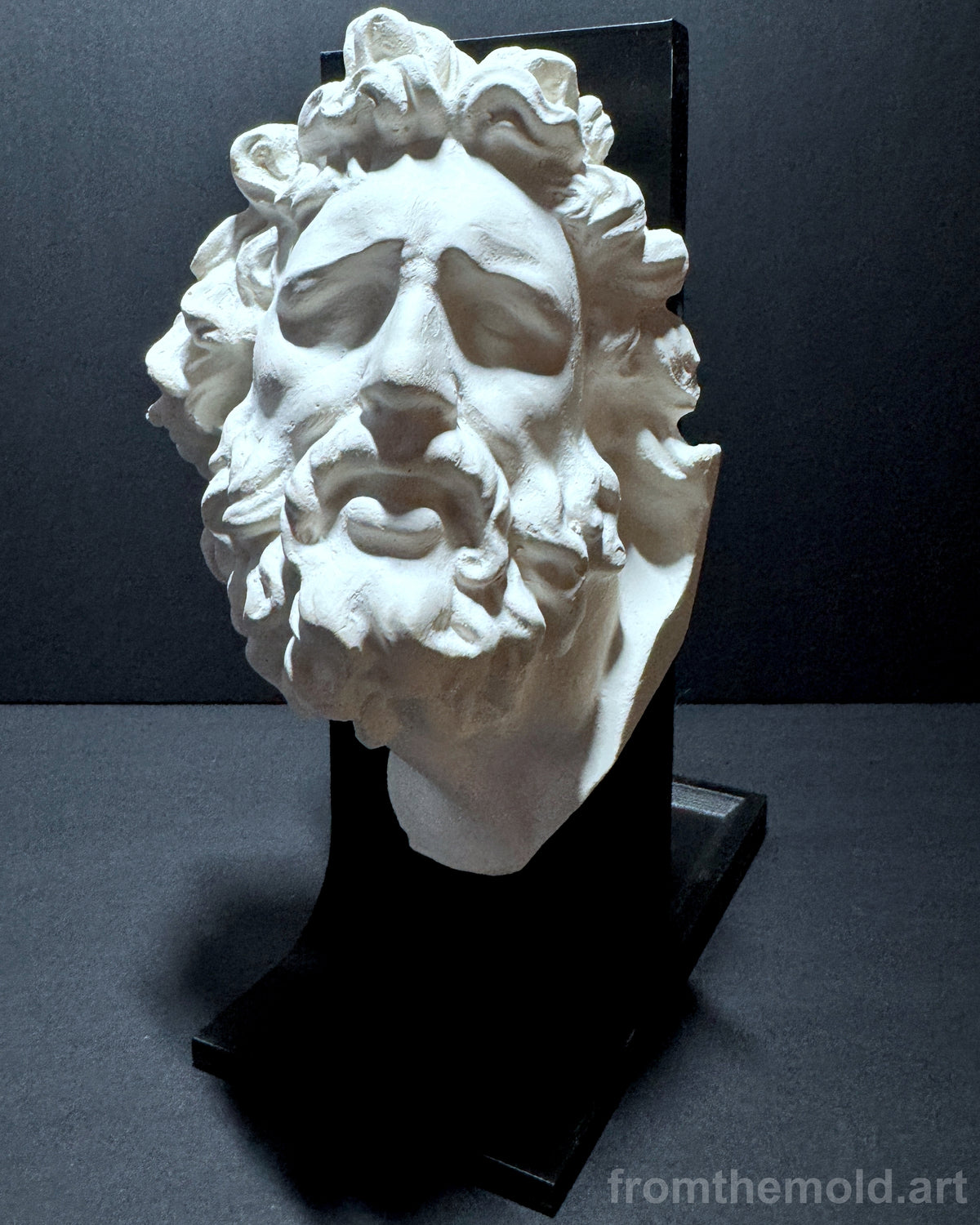
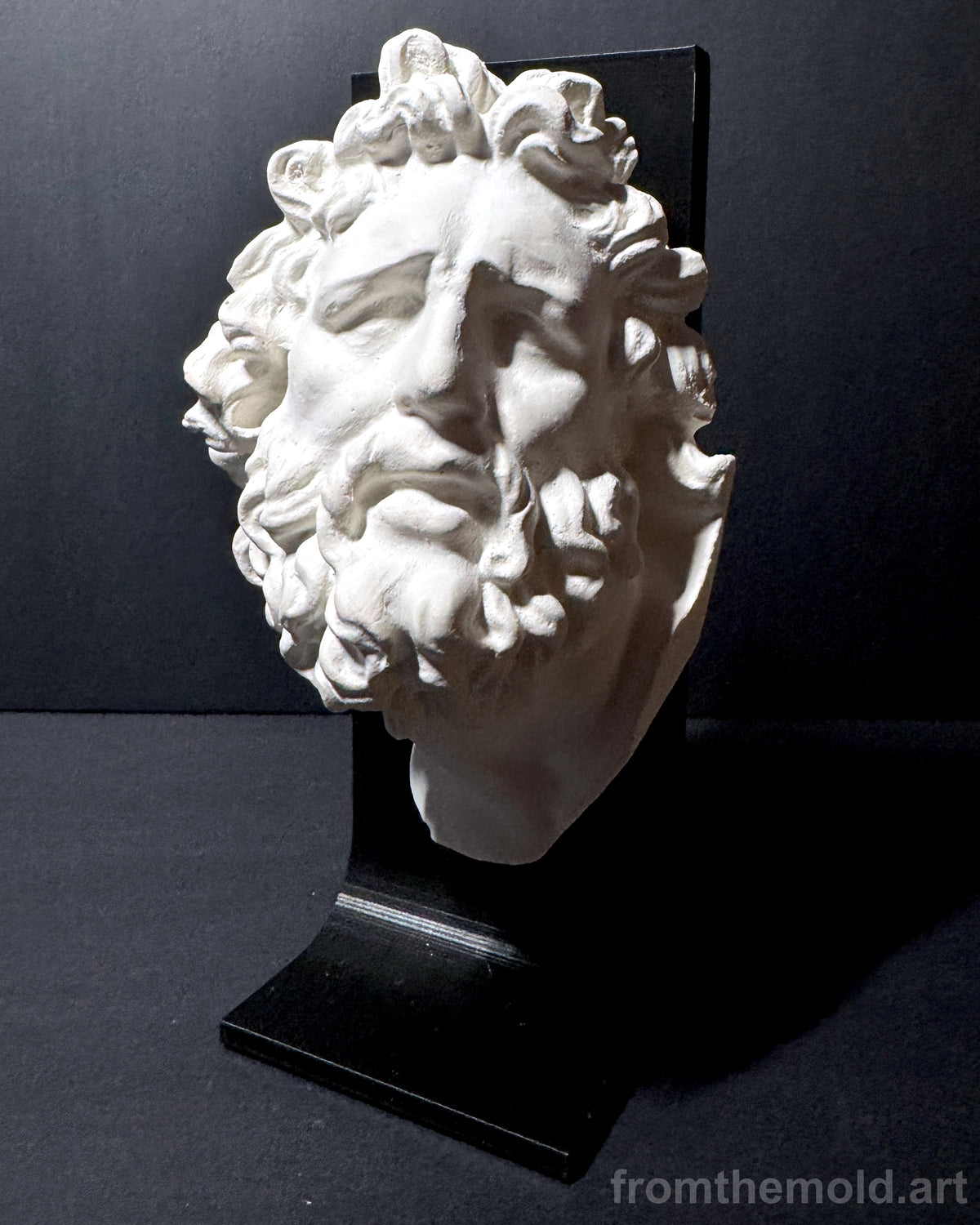
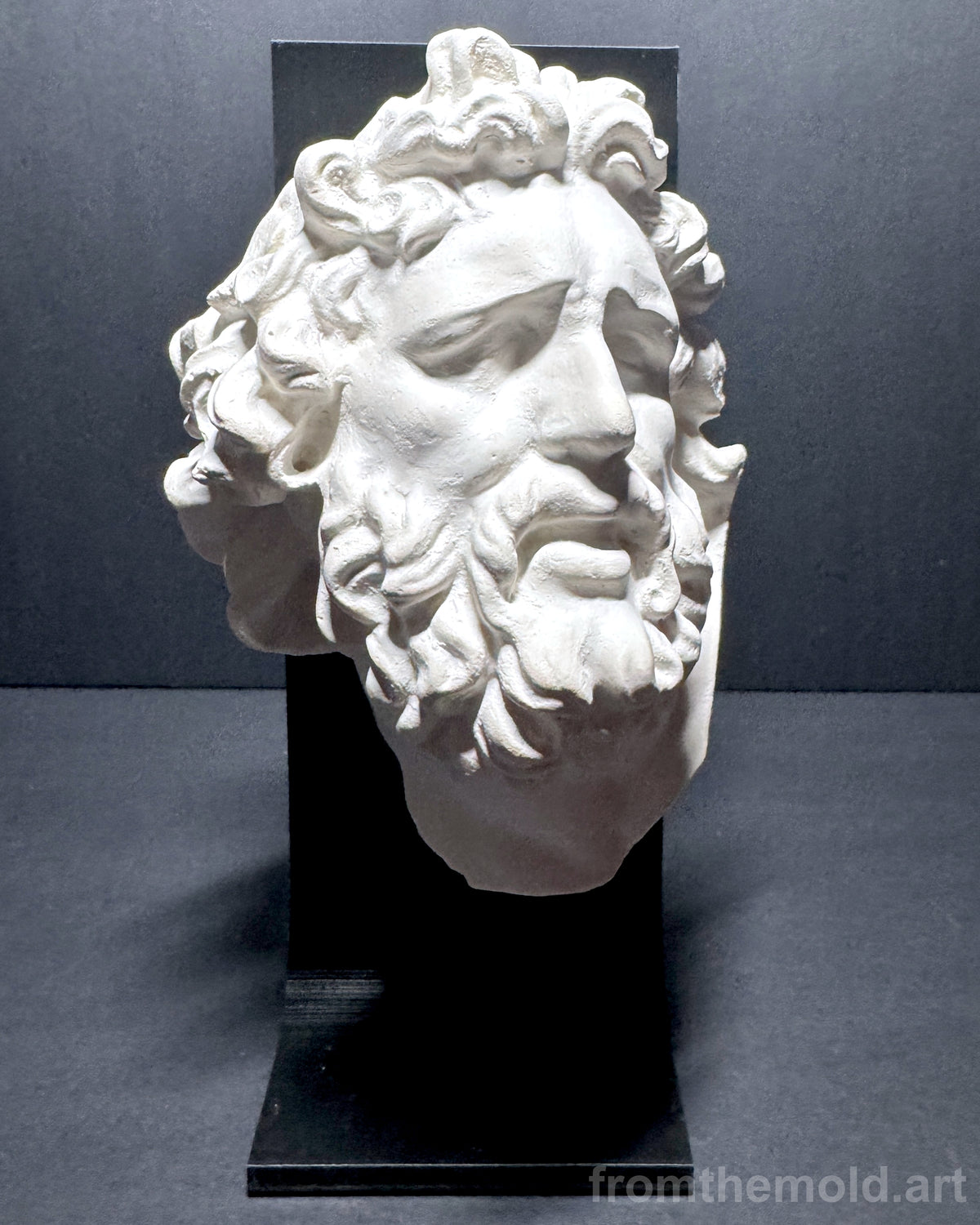
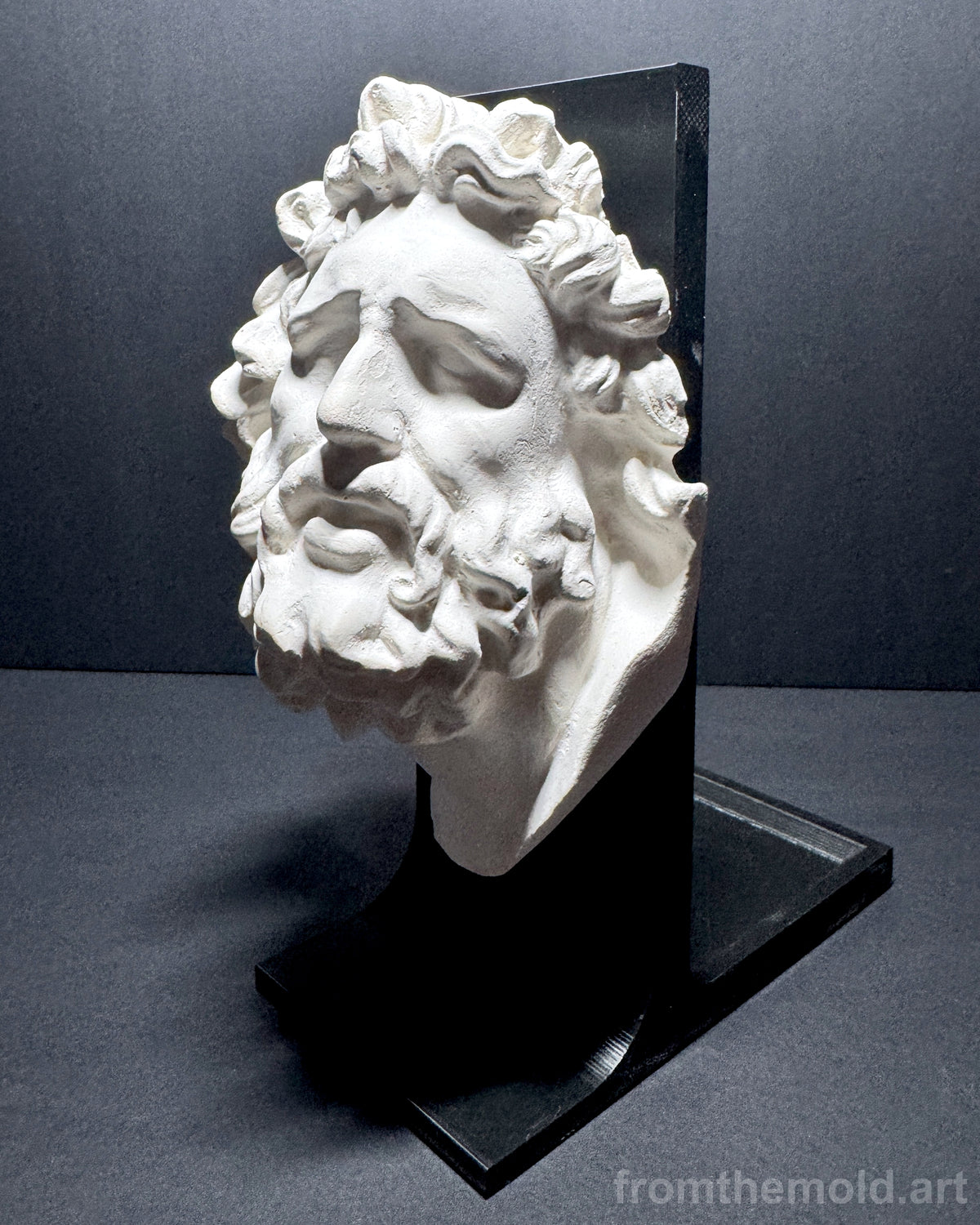
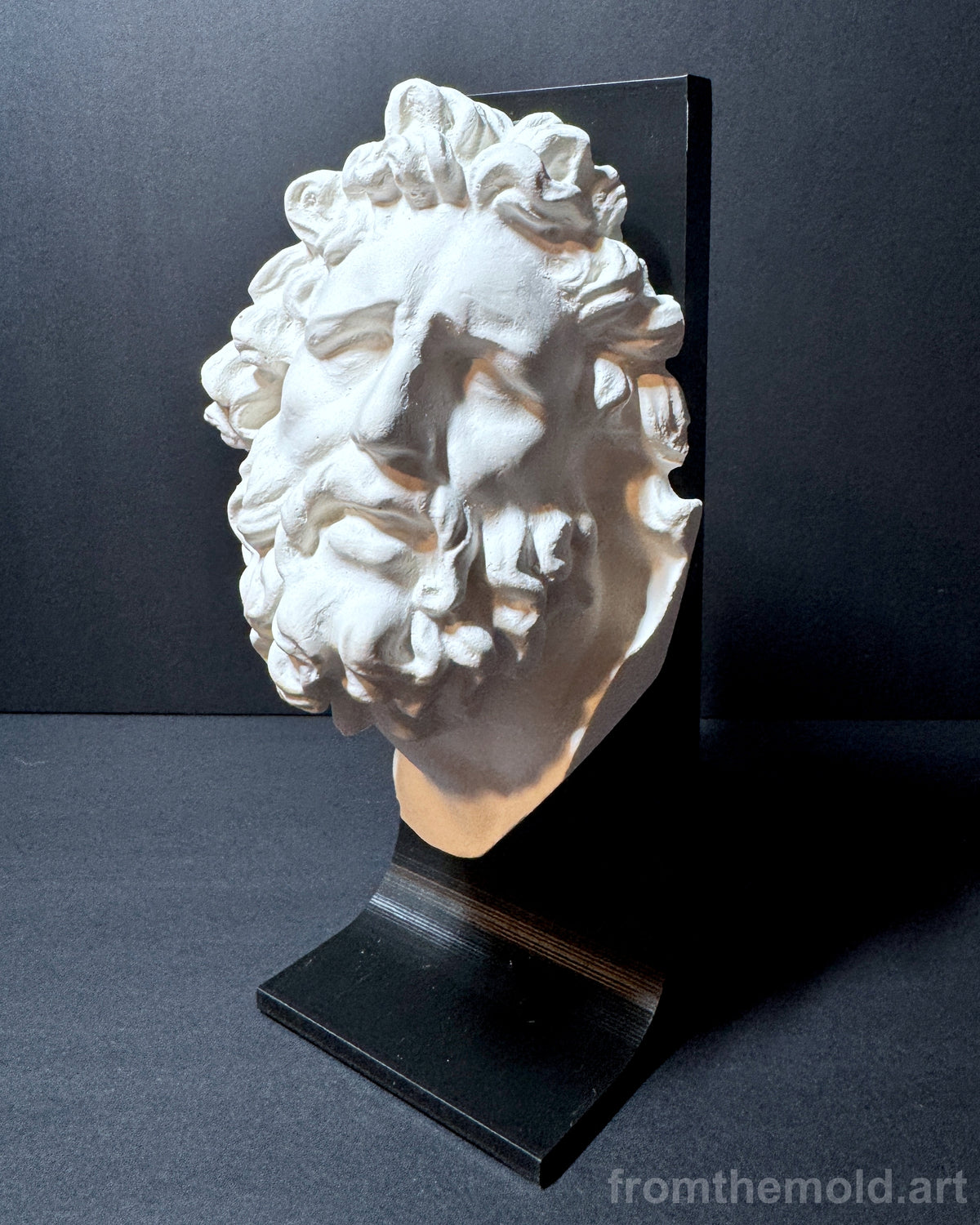
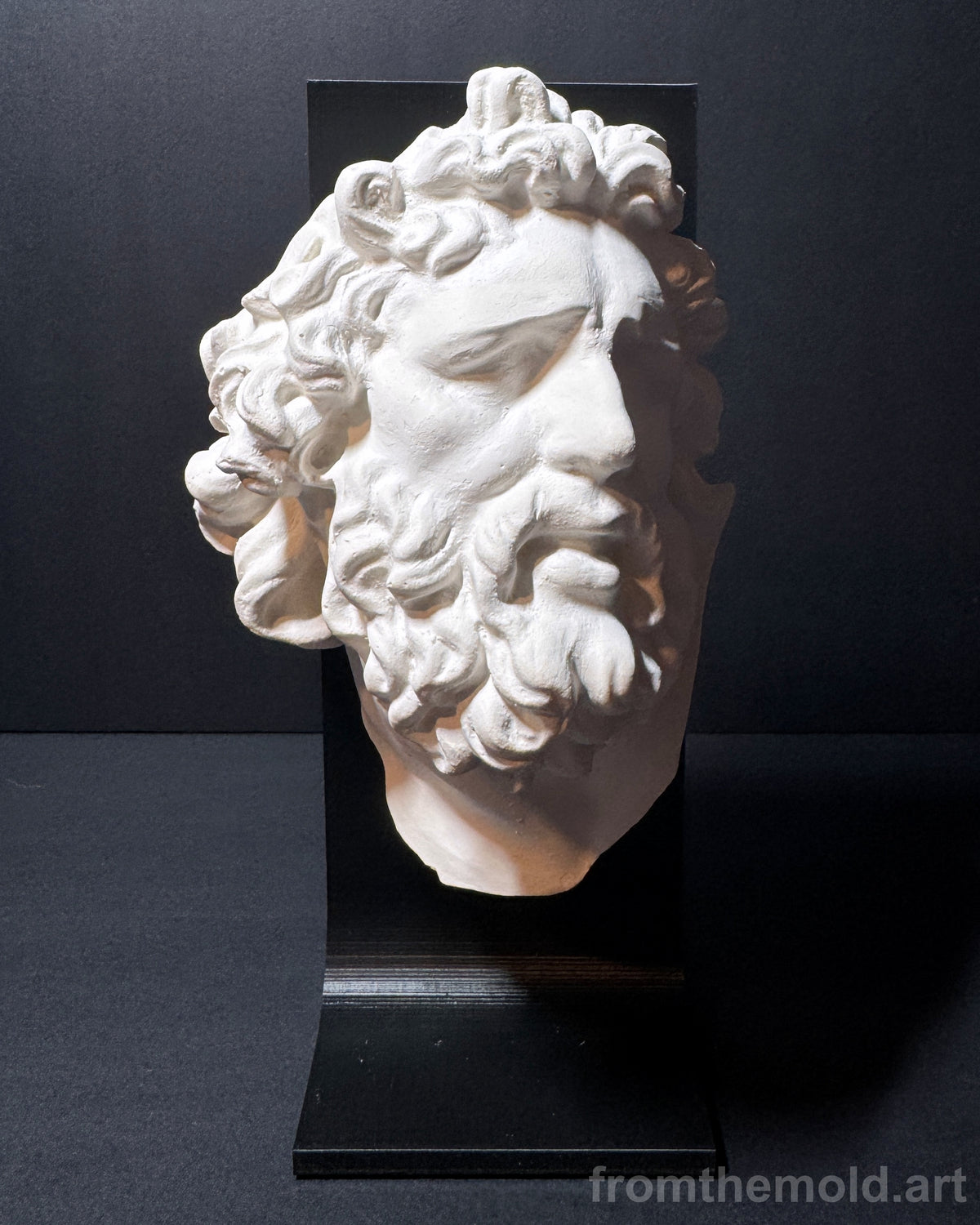
Laocoön Mask Plaster Study Cast
A handmade plaster portrait study cast for artists exploring facial structure, expression, light, shadow, and three-dimensional form.
The Laocoön is especially valuable as a study subject because the face is far from neutral. Tension through the brow, eyes, cheeks, nose, and mouth creates a complex arrangement of forms that challenges artists to understand how anatomy changes under strong expression.
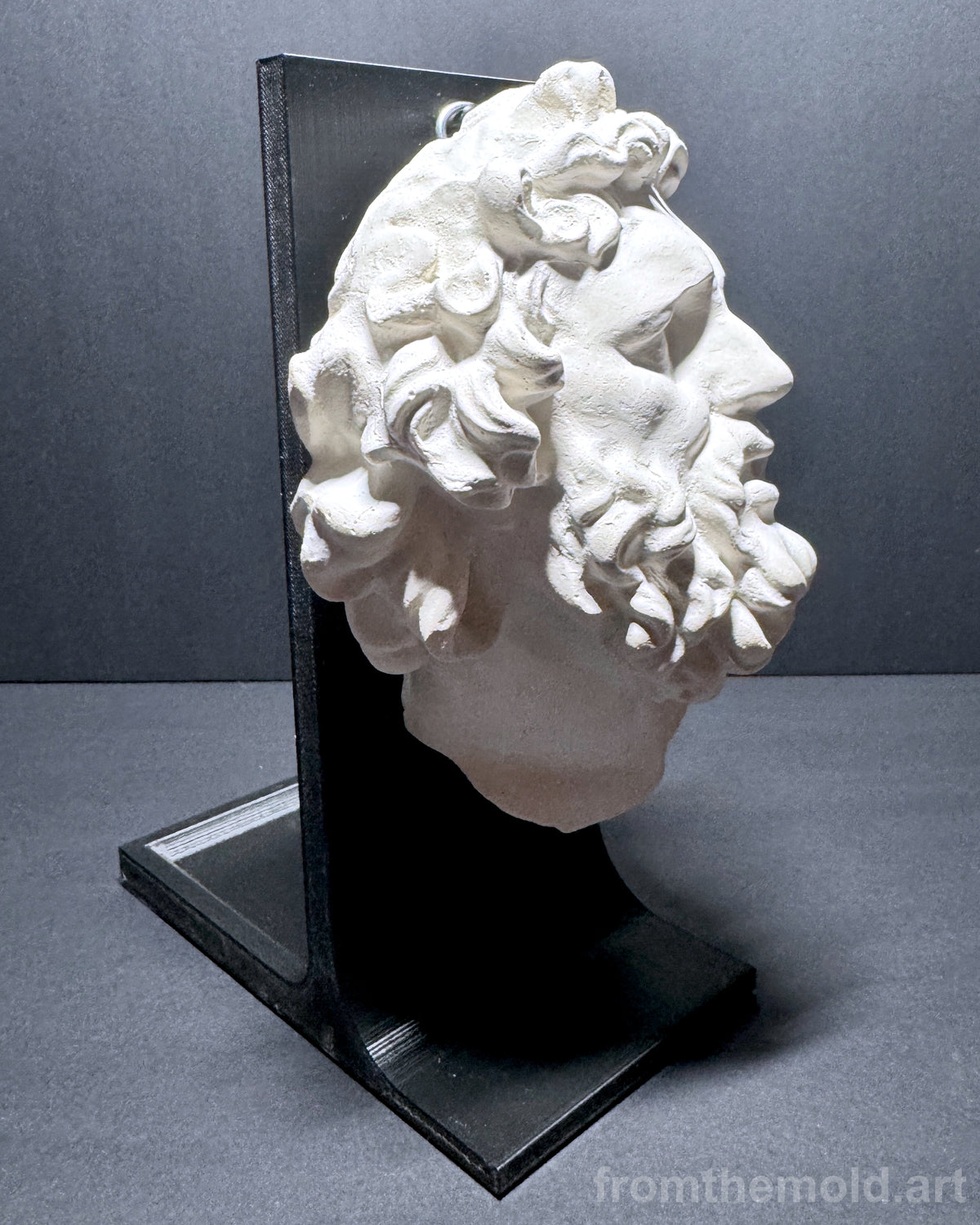
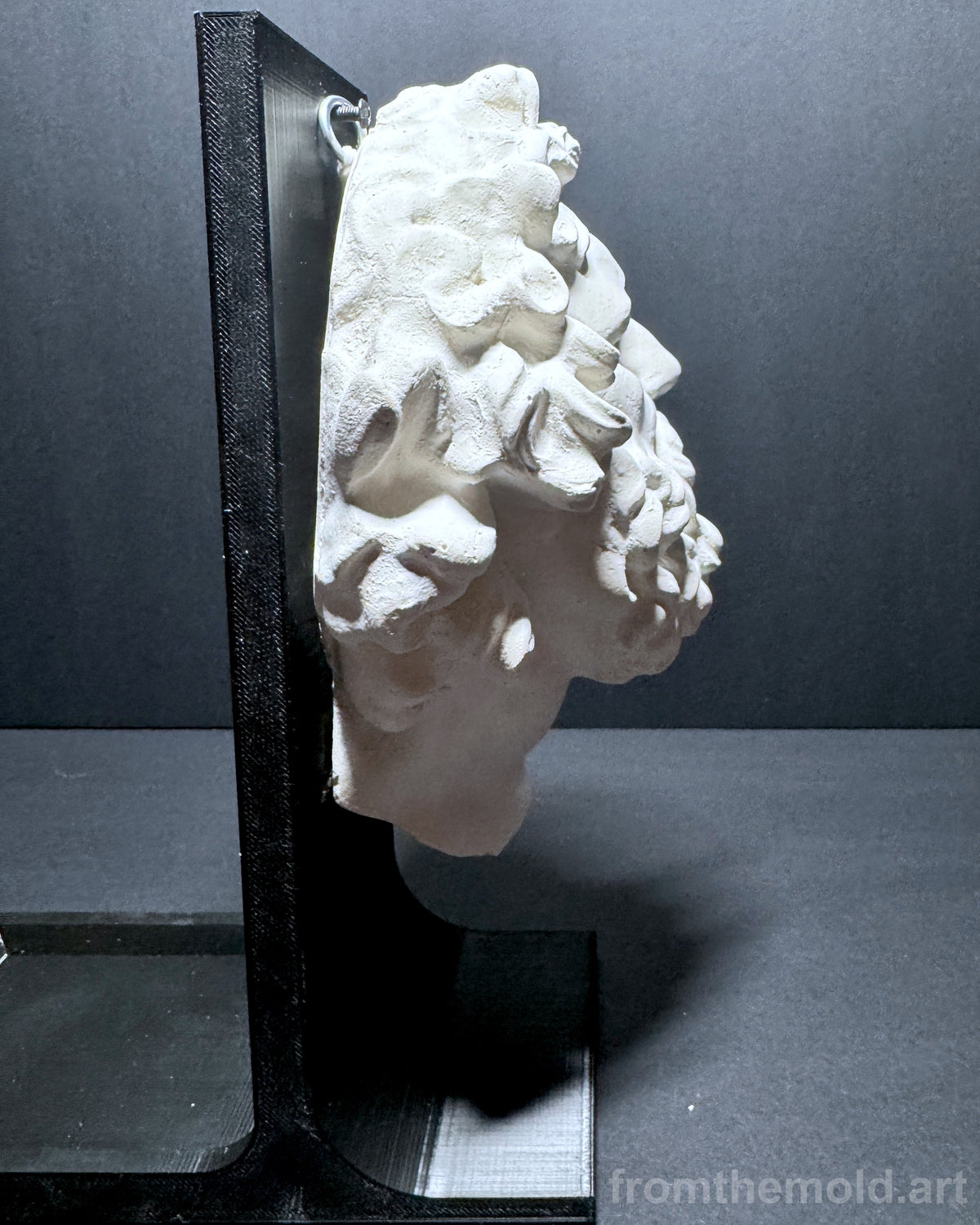
At approximately 6 inches tall, this mask provides a compact study reference that can be used at a desk, easel, or classroom station hung using the loop on the back.
Why Artists Study the Laocoön
Many portrait studies focus on a relaxed or neutral face. The Laocoön provides a very different problem.
Its expression creates compression, stretching, and tension throughout the facial forms. This gives artists an opportunity to study not only the individual features, but also how those features interact when the face is expressing intense emotion.
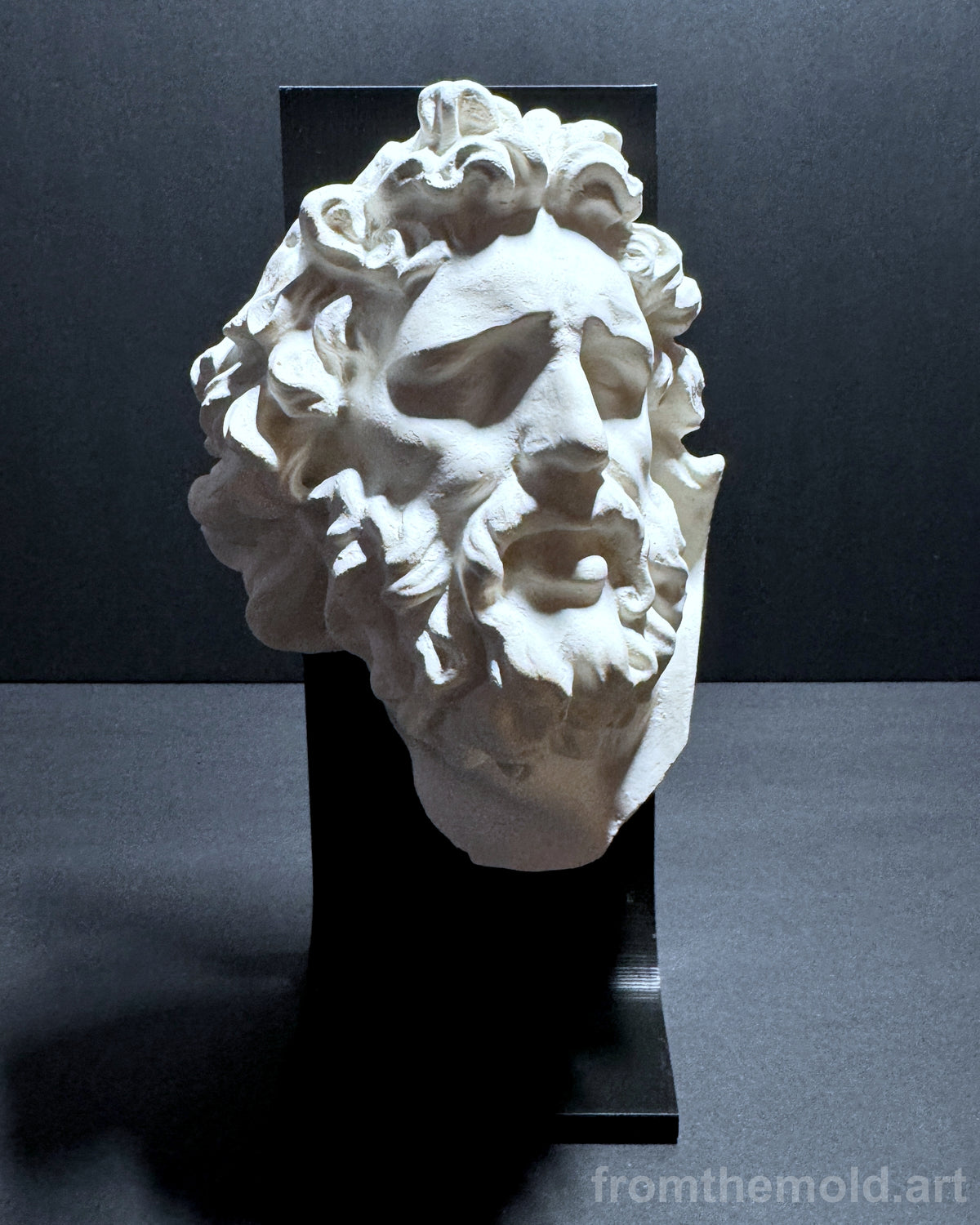
The strongly modeled surface also responds well to directional lighting, making the cast useful for repeated value and shadow studies.
What You Can Practice
• Facial anatomy and portrait structure
• Expression and emotional tension
• Major and minor planes of the face
• Light and shadow relationships
• Value control and rendering
• Proportion and measurement
• Observational drawing
• Traditional cast drawing methods
Study Suggestions
Begin by ignoring the smaller details and look for the largest masses of the head and face.
Identify the major direction of the brow, cheekbones, nose, mouth, and jaw before moving into smaller anatomical forms.
Try lighting the cast from one side with a single directional light. First draw only the largest light and shadow shapes, then gradually develop the smaller transitions.
You can also repeat the exercise from different lighting directions to see how the same expression changes as the shadow pattern moves across the face.
About the Original
The Laocoön and His Sons depicts the Trojan priest Laocoön and his sons struggling against sea serpents.
The sculpture is particularly known for its dramatic treatment of movement, physical tension, and human suffering. Much of that emotional intensity is concentrated in Laocoön's face, making it an especially useful subject for artists interested in portraiture and expression.
This plaster study isolates the face so those forms can be examined independently from the larger sculptural group.
Why Plaster?
Plaster has a long tradition as an artistic training material because its matte white surface minimizes the distraction of local color.
Under controlled lighting, changes in plane, shadow, reflected light, and surface form become easier to observe, allowing the artist to concentrate on structure and value.
Best For
• Portrait drawing
• Expression studies
• Cast drawing
• Facial anatomy
• Light and shadow studies
• Value studies
• Art students
• Atelier training
• Art classrooms
Product Details
Material: White plaster
Finish: Natural white plaster
Approximate Dimensions:
• Height: 6 in (15.2 cm)
• Width: 5.5 in (14 cm)
Features:
• Handmade plaster construction
• Integrated hanging loop on the back
• Suitable for tabletop or wall-mounted study
• Designed as an artistic reference and training tool
What's Included
• One handmade Laocoön Mask Plaster Study Cast
Handmade in the Studio
Each Laocoön mask is individually cast and finished by hand.
Each cast is made and finished by hand. Small air bubbles may occasionally be present on the rear or base of the cast as part of the casting process, but the primary study surface is kept clean for drawing and observation.
For Educators
The Laocoön mask provides a useful classroom reference for teaching portrait structure, expression, value, facial anatomy, and the relationship between light and three-dimensional form.
Its compact size makes it suitable for demonstrations, individual study stations, atelier programs, workshops, and classroom drawing exercises.
For multiple casts or classroom orders, contact From the Mold regarding quantity purchasing options for educational programs.
Share